Turn Kitchen Scraps into Flavorful Homemade Stock
We’re right in the middle of soup season, meaning an almost constant need for some kind of stock. While it’s cheap enough to purchase at the supermarket, stock is one of those things that’s perfectly simple and economical to make at home. You’re in control of what goes into it, for starters. But more importantly, making stock is a clever way to use up vegetables that are about to go bad, or ends and skins of onions, garlic, celery, or carrots that would otherwise get tossed in the trash. Forget buying fresh vegetables to make stock and check out this sustainable, cost-effective method for making one of winter’s most essential ingredients!
How to make your own stock
Save your kitchen scraps
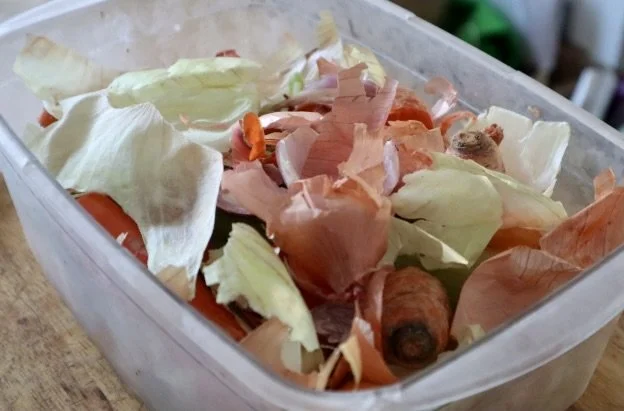
Keep an empty bin, or some kind of large container in your freezer. This will be where you store your kitchen scraps. As you’re peeling onions or garlic, or chopping your vegetables, put these peels and vegetable ends (anything you aren’t cooking with) in this container. If you have vegetables in your bins that you haven’t used yet and are about to go bad, put these in the container as well. Below is a list of things we’ve put in our stock, to give you a starting point:
Cilantro and parsley stems
Onion, carrot, and garlic peels
Ends of bell peppers, celery, or other vegetables that aren’t going into a dish
You can leave them in the freezer for as long as you need. We typically start making stock with these once our bin is completely full.
Cook your kitchen scraps
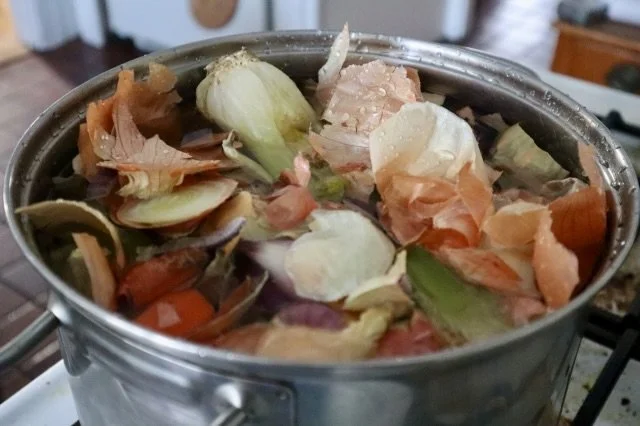
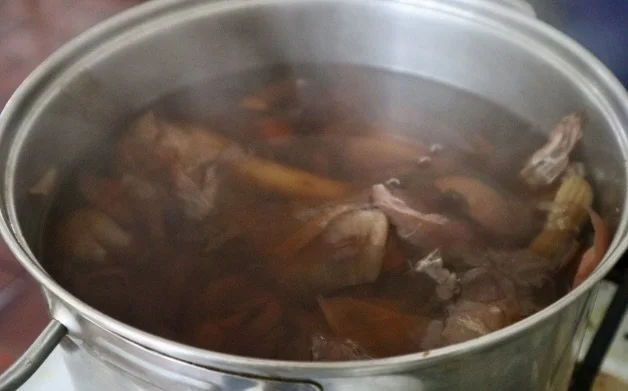
When you’re ready to start your stock, place all of your frozen kitchen scraps into a large soup pan (or just enough so it’s almost stuffed). Cover it with water and cook on high heat until it reaches a boil. You can add some salt here, or leave as is. Then, set the temperature to low and let simmer for several hours. You’ll want to cook it for at least an hour (otherwise, your stock will be very weak). However long beyond that you cook it is up to you. You can have it simmer all day even, adding water as needed until the stock is nice and dark. Or if you’re short on time, just cook it for an afternoon.
Store It
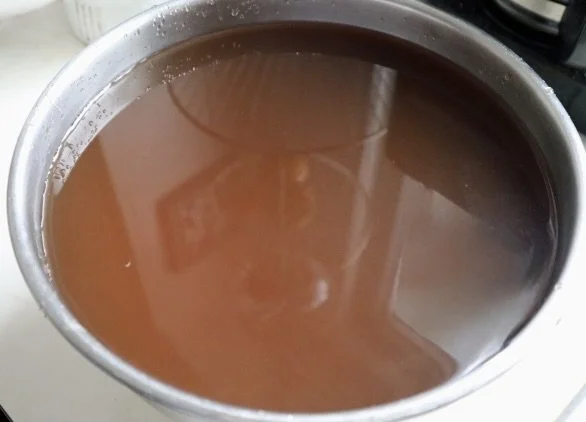
When you’re done cooking, take off the heat and let cool to room temperature. Strain the stock into airtight containers, being sure to squeeze as much liquid as possible from the cooked vegetable scraps. Store the containers in your fridge (if using soon) or in the freezer.
FAQs
Can I put anything in my stock?
As a general rule, you have fairly open reign for whatever you feel like putting in your stock. The end of bell peppers, limp celery stalks, carrots just on the edge of going bad, etc. Since it boils for so long, all these flavors come together nicely, and you’re left with a pleasant slightly-vegetable tasting liquid.
That said, there are some ingredients that could disrupt the flavor you’re hoping for. Certain mushrooms for instance, can be powerful, and in some cases they deserve their own stock. If you cook with a heavy amount of one ingredient (say, parsley by way of example), then the color and flavor could be slightly different from other stocks without any. Be warned that cruciferous vegetables (broccoli, cabbage, or cauliflower for instance) can make your stock cloudy or bitter.
Finally, don’t add anything that’s fermented or that has actually started to rot. Once a vegetable has dipped its toe in the river Styx, it can’t come back out again. Just toss it.
How long can I leave my stock out to cool?
While you don’t want to put your stock in your containers straight away, be careful not to leave it out too long. Doing so invites bacteria growth, making it unsafe to consume. If you’re at all concerned that you left it out for too long, just re-boil it and cool it down again.
Likewise, if you put your stock in the fridge, know that it has a shelf life and should be used sooner than later.
What if I want my stock to be more flavorful?
There’s certainly things you can do to amp up the flavor profile of your stock. Consider the following options:
If time allows, you can roast some of your vegetables beforehand to make the stock more aromatic.
You can add certain dried mushrooms, miso, nori, or tomato paste to boost the umami of your stock. Careful though: doing so will definitely make for a unique-tasting stock. That’s not necessarily a bad thing, but be sure to taste frequently so you’re satisfied with the end result.
Make it yours! Add peppercorns or other herbs and spices to make it just the way you like.