The Fourth of July Should Taste Better Than This
July 4th is one of those holidays that means different things for different people. For some, it’s all about family and having an opportunity for a summer get-together. For others it’s more about patriotism, a celebration of this country’s foundations, fireworks and jubilance at our country’s unique founding.
My family falls decidedly in the former camp. We’re not ones to get teary-eyed over the Declaration of Independence, but we do love a good summer party. And if there’s anything Americans typically do around July 4th, it’s eat.
And yet, as someone who’s passionate about good food, the stereotypical July 4th foods leave me feeling sorry for the sad state of our food system. I typically think of July 4th as the time when everyone grabs some of the most processed foods: meat from a factory farm, chips, sodas, beers. There are some vegetables and fruits of course. Corn on the cob and watermelon are common sights at July 4th BBQs, but they’re far from the main event.
Why is this so? Why, in the middle of the season of abundance, are we as a nation so in love with fake food?
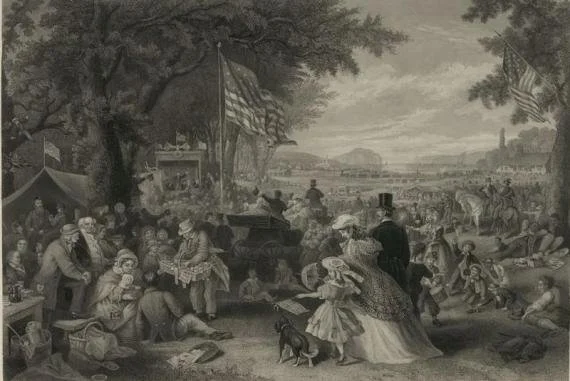
Fourth of July Celebration from 1876. (Library of Congress Prints and Photographs Division)
Grilling outdoors has been a part of the July 4th tradition since it became a federal holiday in 1870. Politicians would draw a crowd around a large outdoor feast, reading from the Declaration of Independence, fostering a sense of patriotism and community. It was as much about being outdoors as it was food: having friends, neighbors, and strangers gather around to eat together while the weather was warm.
Over time, these communal gatherings morphed into more private, family-only occasions, the readings from the declaration going largely forgotten. But grilling and enjoying food remained part of the tradition. Grilled meat especially, always a crowd pleaser with Americans, remained an important part of any July 4th celebration: steaks, hamburgers and hot dogs, chicken drumsticks, pulled pork.
Our foodscape has changed considerably since then. The importance of local food has quietly disappeared while our supermarkets have become havens for ultraprocessed foods. Today, abundance means something very different. It means liters of soda, aisles of chips, factory-farmed meat, and hot dogs made of ingredients most of us would rather not think about.
There’s a cheeky indulgence that comes with eating these foods. None of them would win awards in the health category, and yet somehow that’s become the point. When it comes to food, July 4th is all about American meat dishes, salty chips, sugary drinks. In the most agriculturally abundant time of year, we celebrate by eating food that is the furthest removed from agriculture itself.
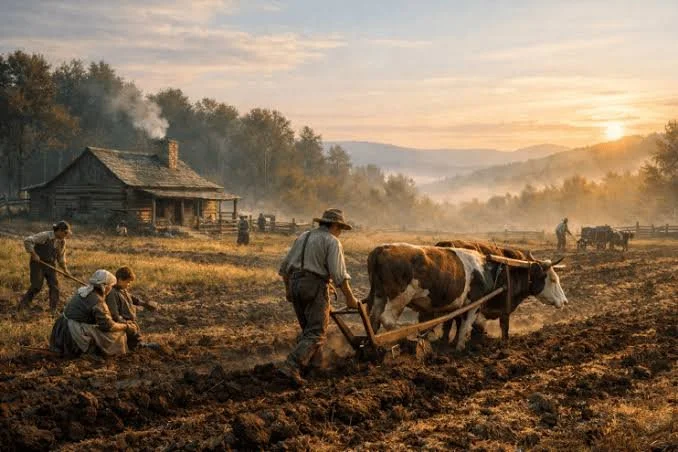
Earlier generations of Americans understood something we’ve largely forgotten: food was survival. Harvests determined whether families made it through winter. People knew exactly where their food came from because they grew it themselves or knew who did. The relationship between people and land wasn’t abstract; it was a necessity.
We’ve forgotten what it is to appreciate the land we’re on and what it provides for us. Though it may not seem like it, the landscape of food in this country is turning sharply toward crisis. Much of our farmland is used for factory farming and the production of meat, the environmental and ethical consequences of which are becoming all the more difficult to ignore. Our nation’s dedication to soda and ultraprocessed goods has caused drastic increases in obesity, type II diabetes, and cardiovascular illnesses. Most of our produce either comes from a foreign country or from a different state, making vegetables and fruits pale in comparison to the taste of locally grown crops.
Can we change all this? Can we turn what’s become a celebration of ultraprocessed foods into something that’s nourishing, satisfactory, that celebrates our land? Can we use this 250th anniversary of our founding to change our story?
A healthy nation is one that is well fed, whose people know where their food came from and the effort it took to get it there. The pilgrims knew that. Without nourishing food, there would be no future for them, no chance of prospering or becoming anything greater.
Perhaps patriotism isn’t just about fireworks, flags, or celebrating the country we inherited. Perhaps it also means caring for the land that sustains us and supporting the people who grow our food. If July 4th is a celebration of America, then maybe it’s time our plates reflected the very thing that has allowed this country to thrive all along.