November is finally upon us. The air outside is cold. Fields and yards are covered in leaves. The trees are almost bare. It happens every year, and yet the adjustment to cooler temperatures and shorter days rarely gets any easier.
One of the things that many lament about late autumn is the closing of farmer’s markets. Unless you live in an area with warmer temperatures and longer growing seasons, many farmer’s markets are shutting down for 2026 in November, if they haven’t already. Gone is the easy access to locally grown, fresh produce.
So now what?
In a year where we've learned the hard way just how vulnerable our food system can be, the end of farmer’s market season hits a bit harder than usual. With grocery prices continuing to strain household budgets, where can we find good, affordable produce? How can we continue supporting local farmers? Where would our money be best spent?
Frozen and Preserved Foods
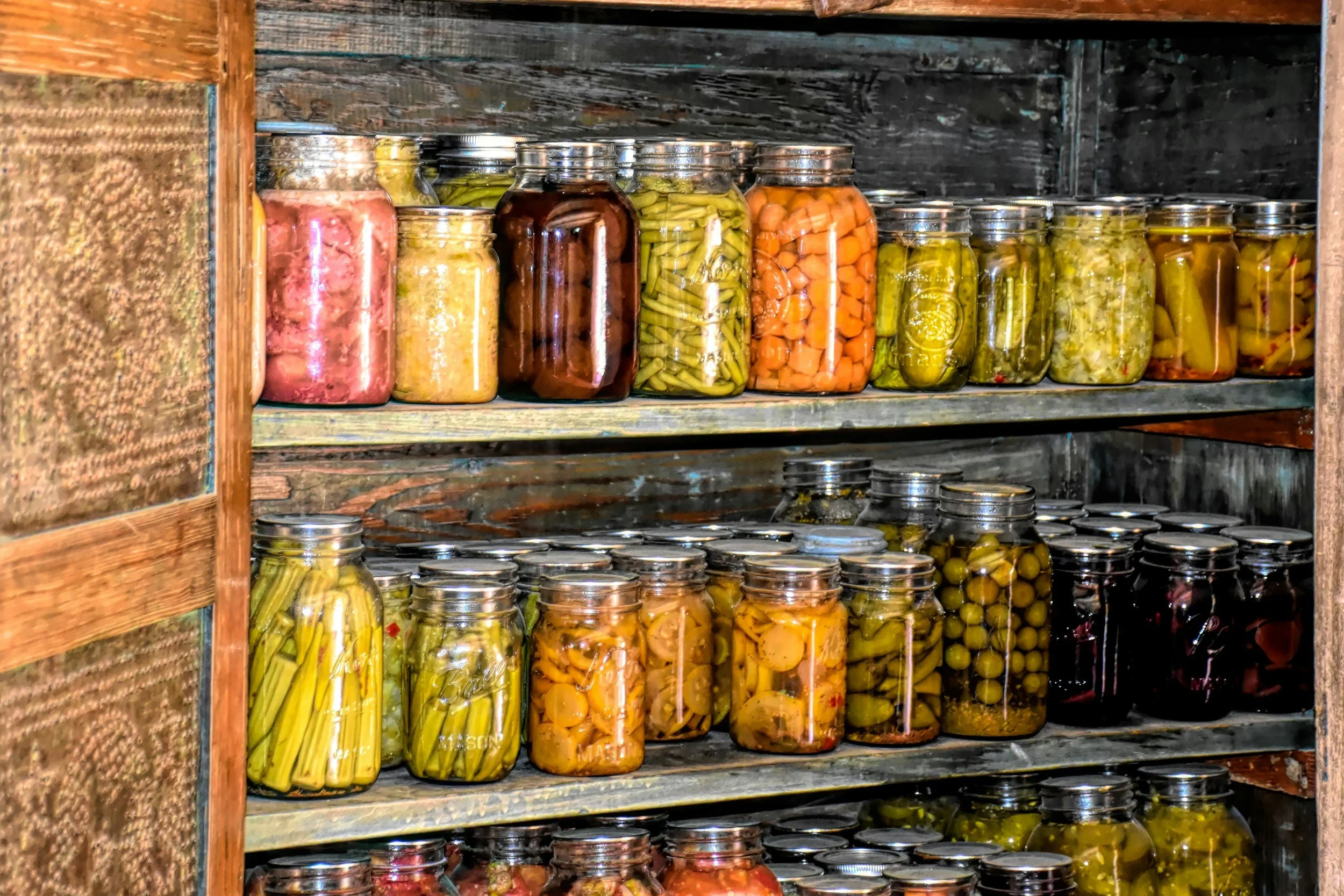
The concept is as old as agriculture itself: preserving crops for the winter months so as to survive until the next growing season.
Our modern way of life isn’t quite as dire as that, but preserved and frozen foods are a great option throughout these upcoming months. If you found time to freeze or preserve some of summer’s bountiful harvest, then you’re already in a great place to enjoy produce throughout the winter. But even if you didn’t, there’s plenty of good options at supermarkets.
Contrary to some beliefs, canned and frozen goods are a great, sustainable option for consuming produce, particularly when fresh produce may have traveled long distances before reaching supermarket shelves. Frozen and canned produce is often processed shortly after harvest, helping preserve its nutritional value. They’ll last longer in the freezer or canned (meaning less waste), and can be just as nutritionally valuable as the fresh version.
Stocking up on non-Farmer’s Market Ingredients
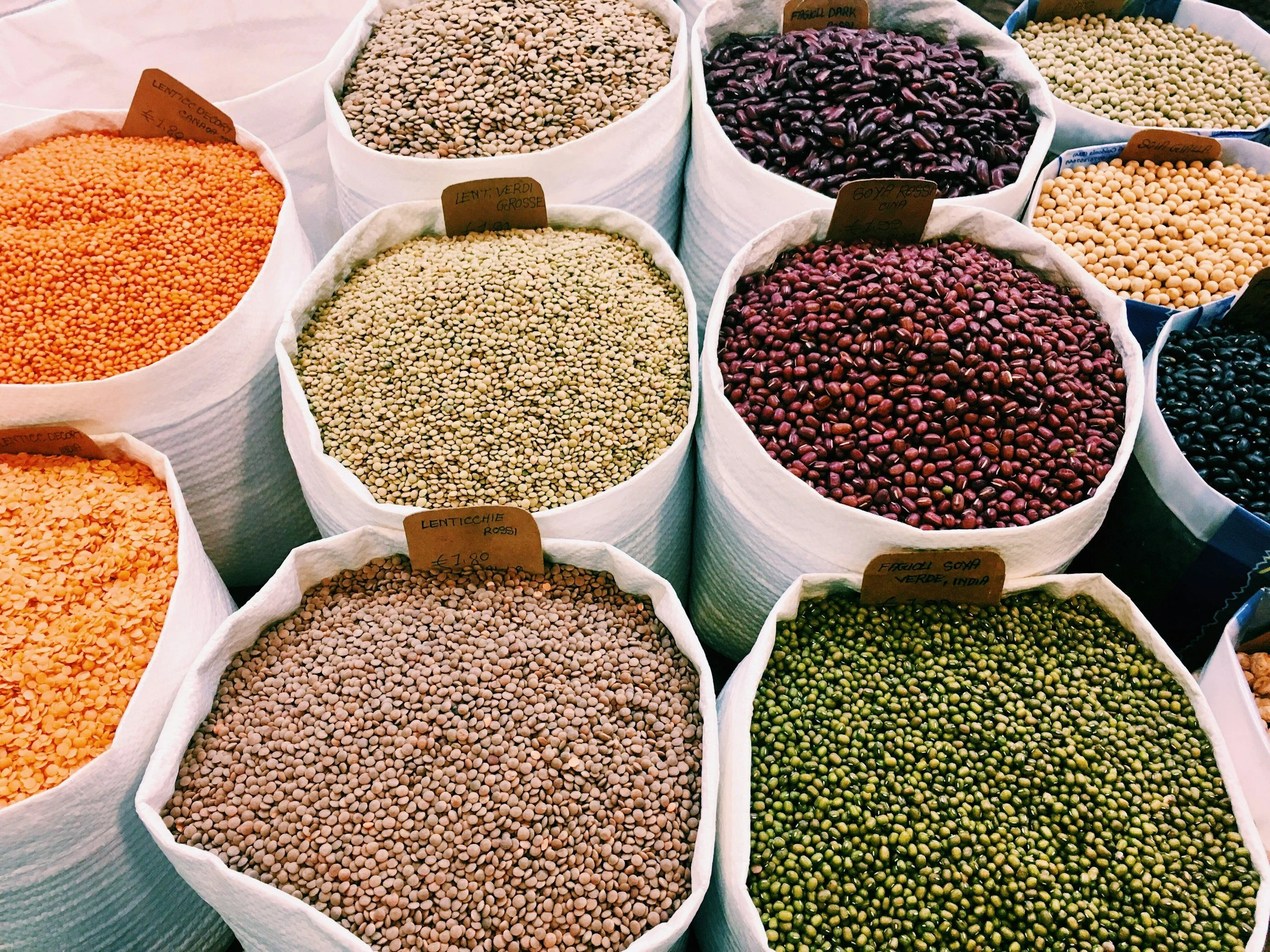
Winter months are also a great opportunity to use ingredients that farmer’s markets don’t usually supply anyway: beans, legumes, lentils, grains, etc.
When the weather is cooler, having warmer meals full of legumes or other plant-based sources is a wonderful (not to mention cheap!) way to warm the soul. Dried beans and legumes are often the best. Lentils especially require little cooking time to be ready, and offer hefty amounts of protein and fiber. Dried beans take longer to cook, but much of that time is hands-off.
Beyond grains and legumes is also yeast and flour. Learning to bake your own bread is a useful skill to have, and a particularly good one to have during the winter months if you’re stuck in the house from a snow storm, or want to make something that warms up the kitchen. Most breads require few ingredients to be delicious. In fact, there are several that require only flour, yeast, salt, and water. With just one bag of flour and a small jar of Fleischmann’s Active Dry Yeast, you have a host of bread recipes you can make.
Local Farms
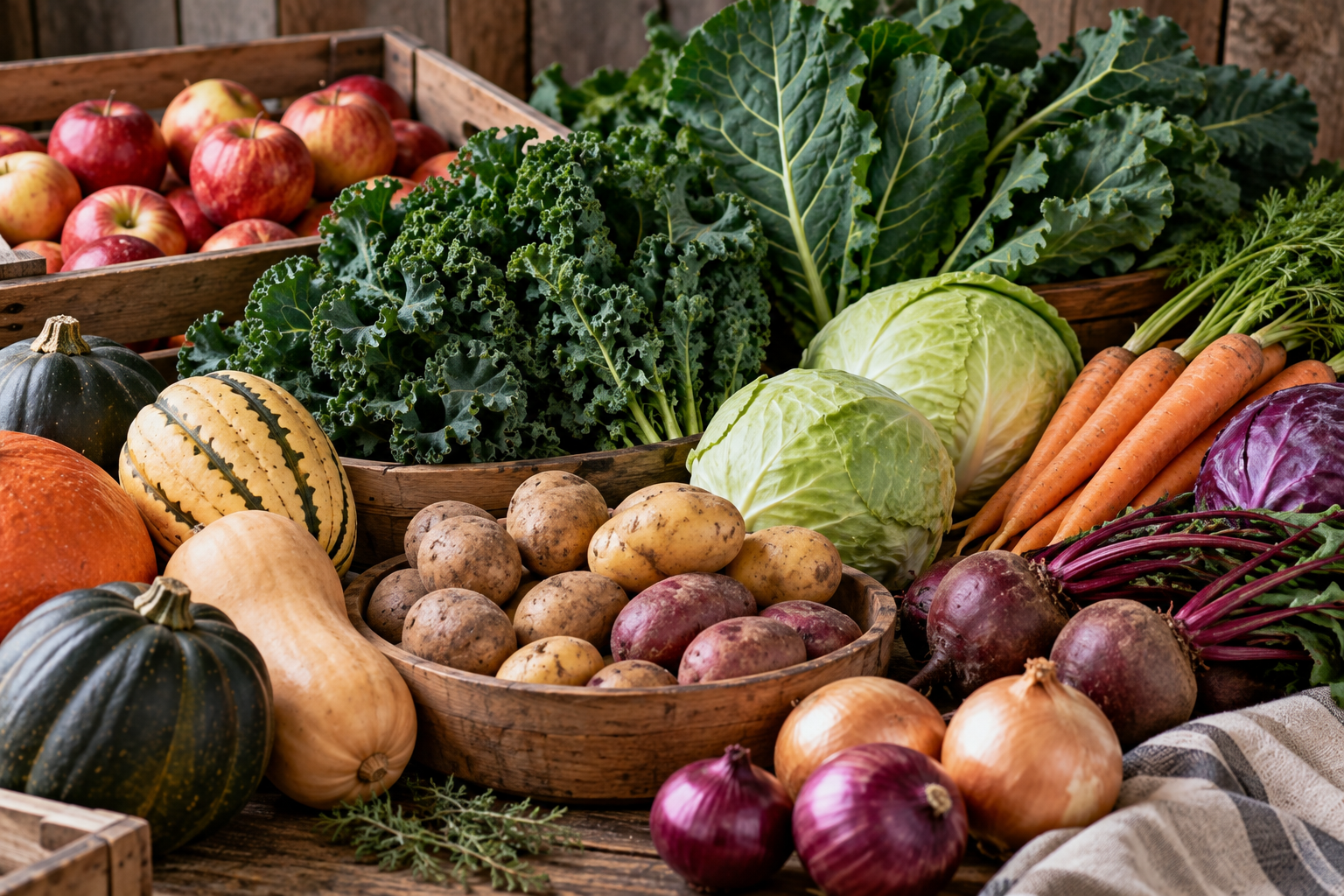
Just because Farmer’s market season is over doesn’t mean farms and farmers disappear from the face of the earth. Nor is fresh produce completely gone. Apples, winter squash, collard greens or kale, cabbage, carrots and beets … they’re still available, but perhaps not where you’re used to shopping.
Though many farms use these months to prepare for the next growing season or sell stored crops, others are open all season long. If you live nearby, or within driving distance of a farm that has operating hours during the winter (check online or on their Instagram page), now would be a wonderful chance to give them a visit. Some might even grow crops in greenhouses, giving you access to fresh produce that’s normally available in other seasons.
Websites like Farmstand Finder offer a way to find farms and farm stands near you.
Winter CSAs
If traveling to a farm or farmstand isn’t doable, check to see if there’s a winter CSA (Community Supported Agriculture) program available. While many farms offer CSAs for the spring, summer, and early fall seasons, others provide winter CSAs to enjoy the best of winter crops, or even greenhouse grown produce.
This is a great option, not only because you obtain quality fruits and vegetables, but because you maintain relationships with the farmers who grow your food. By purchasing a CSA share, you're also providing farmers with a more predictable source of income, helping them sustain their operations throughout the quieter months.
Food Coops
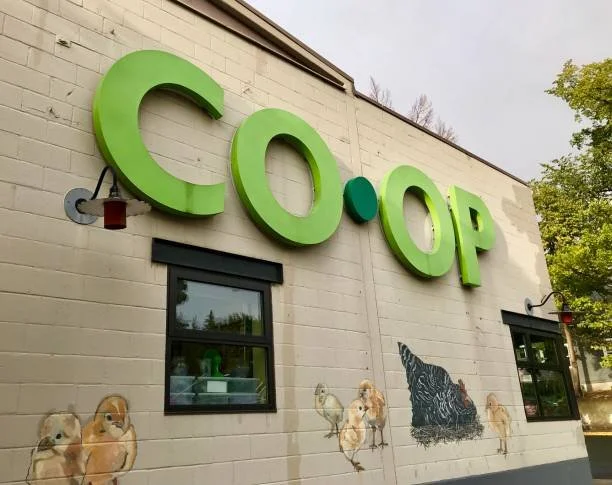
Food co-ops are another great option during the fall, winter, and early spring months. Unlike conventional grocery chains, food cooperatives are owned collectively by their members, who have a say in how the business operates. While sourcing and pricing vary by store, many co-ops prioritize locally grown produce, organic ingredients, and fair-trade products.
Shopping at a food co-op can be a wonderful way to support businesses that prioritize their communities, rather than simply maximizing profits.
The growing season never really ends
The closing of farmer's markets can feel like the end of something wonderful. The colorful stalls, the freshly picked produce, the conversations with local farmers… all of it disappears as the temperatures drop and winter settles in.
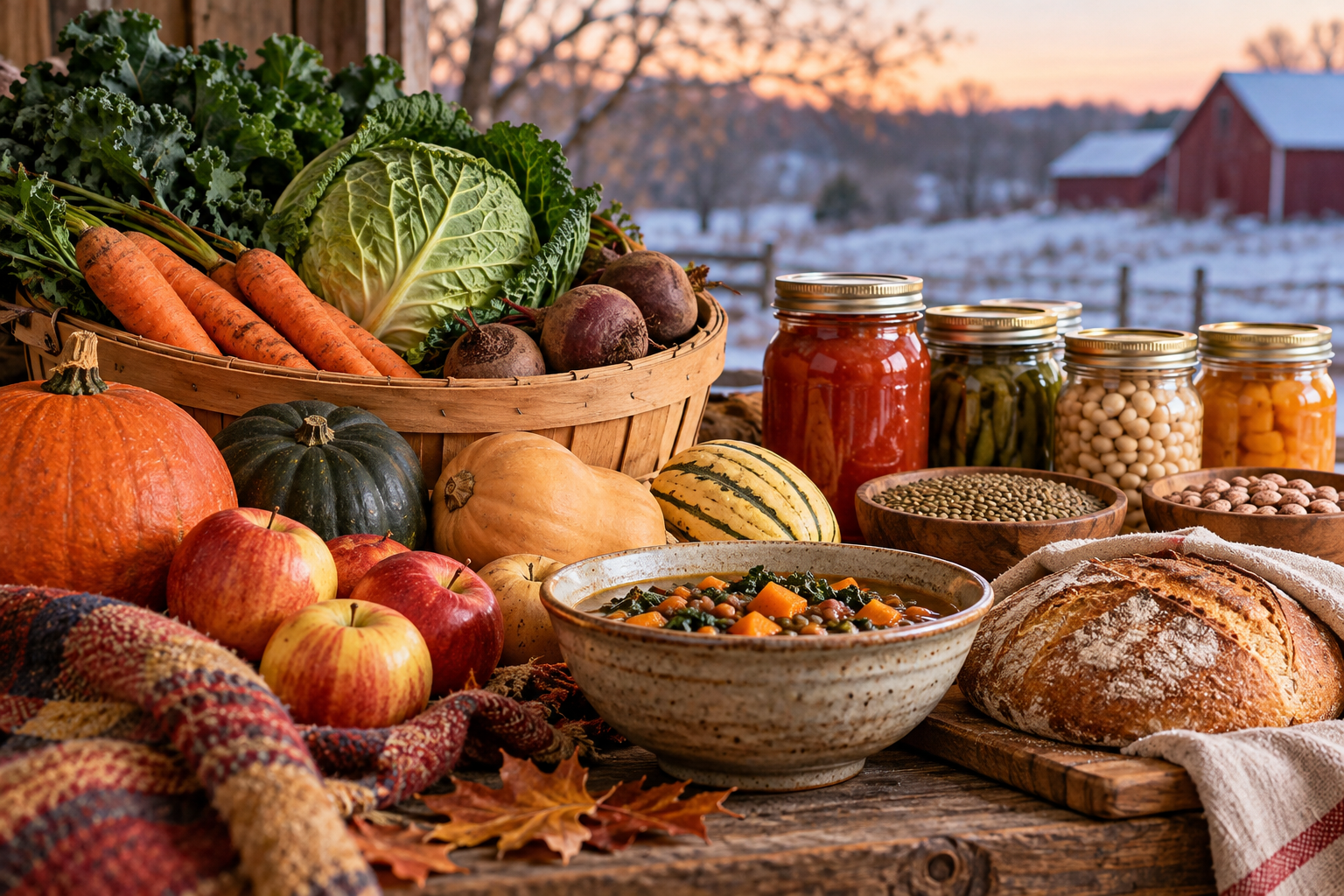
But supporting a better food system shouldn't be a seasonal activity. Whether we're buying dried beans at the supermarket, picking up a winter CSA share, visiting a local farm, or making the most of the vegetables stored in our freezers, there are plenty of ways to continue making thoughtful choices about our food.
Eating sustainably doesn't require perfection, expensive ingredients, or access to a farmers' market every weekend. It simply requires us to think a little more carefully about what we buy, where it comes from, and how we use it. The farmer’s markets will return in the spring. Until then, there's still plenty to celebrate about winter food.