All of us have a cooking horror story or two. Cake sponges sticking to the pan. Lasagne noodles sticking together. A soup so salty it tastes like the ocean. A curry so spicy it’ll send you to another dimension. Or tofu that absolutely refuses to leave the frying pan.
We’ve all been there. But how do you actually fix these issues if they happen?
Clingy Cake Sponges
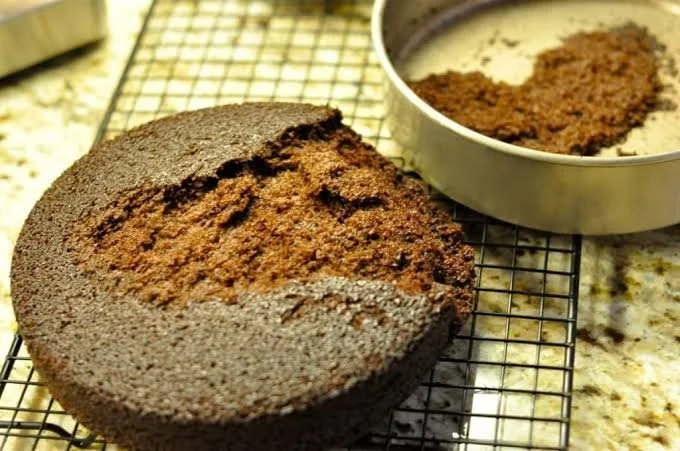
Many recipes simply state ‘grease your pan’, and leave it at that. But despite thoroughly greasing a cake pan, sometimes cake sponges just….don’t want to leave the pan.
Having suffered this problem more times than I’d care to admit, my best advice is to grease the pan as well as line it! Parchment paper does wonders here. You’ll grease your pan with some oil or plant-based butter, then place a roughly pan-sized piece of parchment paper on the bottom of the pan. Don’t worry about the shape of the paper; you’ll toss it out after baking. What the paper does is give you added security in case your cake sponge gets a bit clingy.
After baking, leave the sponges to sit in the pan for a few minutes (i.e. 10 - 15 min.) Doing so prevents them from losing their structure, making their exit from the pan all the easier.
If you’re reading this having already baked a cake that’s stuck to your pan, there’s still hope! Firstly, not all cakes need to be a perfect cylindrical shape. Remember Nailed It? Take a page from some of the contestants’ books and create a shape that resembles what you were hoping for. Make more icing than was called for to help hold some of the cake sponge together. You don’t have to use too much (otherwise it might be sickeningly sweet), but just enough that the entire cake doesn’t crumble as soon as you touch it. When covering the entire cake in icing, no one will tell the difference!
When Pasta forms a Union
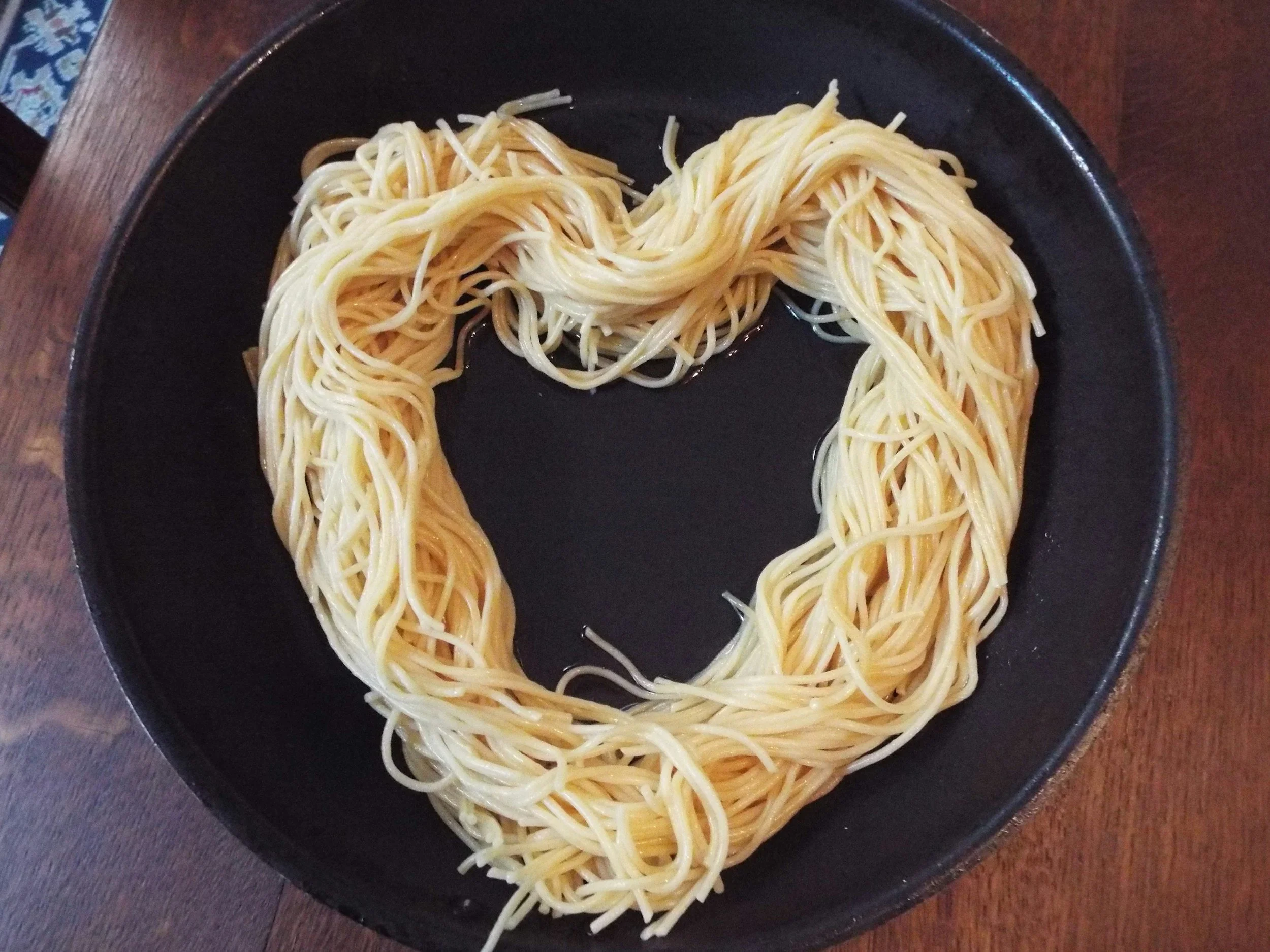
All of us probably have a story or two of pasta sticking together or onto the bottom of a pan. Most pasta recipes simply say, ‘cook your pasta’, but leave out the all-important next step: ‘then stir your pasta’.
When pasta starts to cook in boiling water, it releases starch, which is a natural glue. If left to sit long enough without any movement, that starch could be the thing that makes your pasta stick together. Since starch releases in the first couple of minutes of cooking, stirring early is essential to prevent it from sticking together.
There are some other things to consider as well. Be careful about how much water you have in your pot. If your pot is overcrowded and there's not enough water for the pasta to move around, the noodles are more likely to stick together. Also make sure your water comes to a rolling boil. Though it’s tempting to throw in the pasta as soon as the first bubble comes up, heat matters when it comes to cooking pasta.
And if your pasta has already formed an inseparable clump? Don't panic. If it's still cooking, try gently separating the noodles with a fork or tongs. If they're already cooked, a little warm water and some careful stirring might help loosen them up.
When the soup tastes like the ocean
You taste tested over and over again, adding more salt each time. Then on the last taste test, the soup was inedible. Now what?
As a salt-lover myself, I know this problem well. And fortunately, there are a couple methods to take the sodium levels down a notch.
The easiest solution is to dilute your soup with additional liquid, whether that's water or unsalted broth. How much you'll need will depend on the soup.
You can also add more ingredients to help balance things out. Potatoes, pasta, and rice are particularly useful if they work with the flavors of your dish. They won't magically absorb all the excess salt, but they'll help distribute it across a larger amount of food.
When the spice level could take you to another dimension

We love spicy food in our family. But even we can be overambitious when it comes to the cayenne pepper we add to a curry. There are a number of things you can do if your dish is simply too spicy to consume.
First and foremost, consider adding some kind of dairy or plant-based alternative to mellow out the heat. Fatty ingredients can help soften the intensity of capsaicin, the compound responsible for that burning sensation.
Consider adding something sweet or sour to the dish. Sugar can counter chili heat rather nicely. Even a teaspoon of sugar or another sweetener could help (taste test frequently). Vinegar too can cut through the burning feeling from too much capsaicin. Depending on the dish, you could add some lemon, lime, a little vinegar, or even tamarind. This won’t magically diminish the amount of capsaicin in your dish, but it will change your perception of the heat, which can make all the difference.
Finally, consider the same advice as with an overly salty dish: dilute it with more liquid.
Feel the heat!
I get it. You’re hungry and you wanted dinner served 10 minutes ago. We’ve all been there!
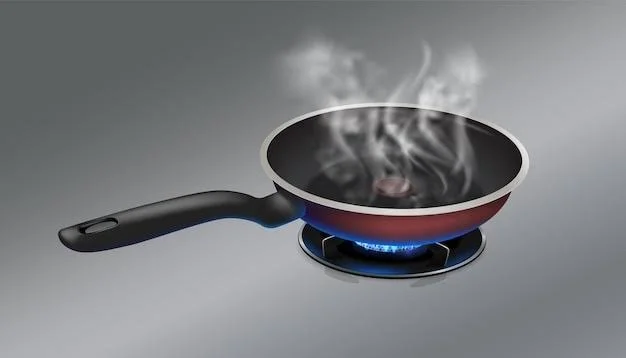
But waiting for the pan to heat properly is possibly the most crucial thing you can do. And it could potentially shorten the amount of time you spend cooking!
The reason is this: when a pan isn’t heated appropriately before food or oil is introduced, it affects how the molecules in the food cook. Ever had your tofu stick to the pan? One possible reason is that your pan wasn't hot enough when you added it. Proper heat helps create that beautiful golden-brown crust, while a pan that's too cool can leave your tofu sticking, steaming, or absorbing more oil than you'd like.
Even an extra minute of waiting for a pan to heat before introducing ingredients could make a large difference, not only in the quality of your food, but in the amount of time you spend waiting for it to cook.
When a cooking mistake isn’t fixable
There are some cooking mishaps that, no matter how hard you try, aren’t fixable. And though it’s important not to be wasteful or to have a defeatist attitude about our cooking (not all our mistakes are as noticeable to others as they are to us), there comes a point when enough is enough.
First off, remember that it’s just food. As annoying as it is to spend money and time on something that didn’t work out, remember that many have been here before you.
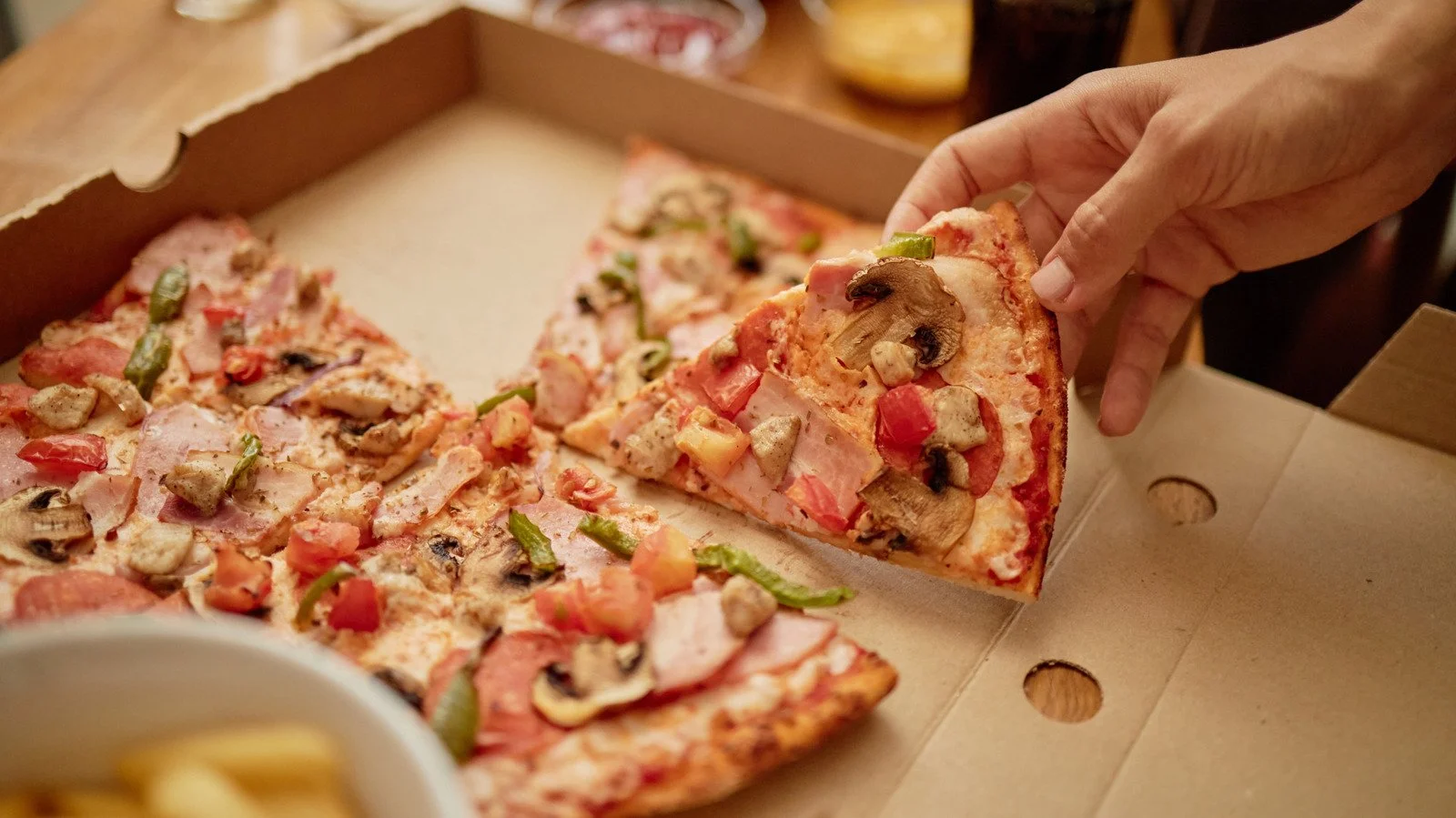
This is what take out was invented for! In our family, we call them ‘shame pizzas’. And trust me, some of our best family dinners have been shame pizzas.