The potato’s strange journey through Europe
Today, it’s hard to imagine a world without potatoes. They’re mashed, fried, roasted, baked, boiled, stuffed, and turned into everything from chips to dumplings. They’re so deeply woven into the cuisines of Europe and beyond that it’s easy to assume they’ve always been there.
But they haven’t.
Before the 16th century, Europeans had never seen a potato. Potatoes had been cultivated for thousands of years in the Andes of South America, in the region of modern-day Peru and Bolivia, where hundreds of varieties of it became a crucial food source for the Indigenous peoples that lived there.
That changed when the Spanish arrived in South America. Along with silver, gold, and countless other goods, Europeans encountered an entirely new collection of plants and foods. Potatoes were among the crops eventually carried across the Atlantic as part of the enormous exchange of plants, animals, people, and diseases that followed European contact with the Americas.
But the potato’s journey didn’t end when it reached Europe. In fact, that was where its most fascinating story began.
Spain: when Europe met the Potato
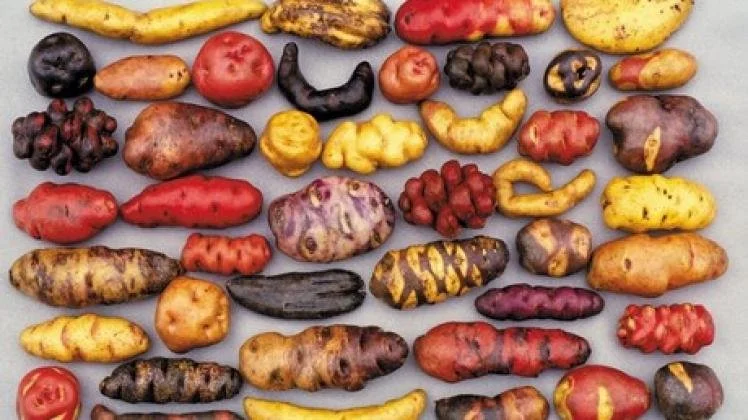
When the potato first crossed the Atlantic in the 16th century, it arrived alongside an assortment of other foreign foods from the Americas: maize, cacao, tomatoes, chili peppers, squash, etc. To Europeans, all these plants were entirely unfamiliar. But the potato was particularly difficult to understand. It was a strange-looking, underground tuber from a plant related to the poisonous nightshade family, and there was little reason for a deeply religious, predominantly Catholic community to eat something that wasn’t mentioned in the Bible or could potentially be associated with witchcraft.
So, initially, they didn't. Potatoes were sometimes grown as curiosities or ornamental plants, and they were also used as animal feed. Their place on the European dinner table was still a long way off.
But the potato had one very convincing argument in its favor: it proved useful.
Unlike many fresh, perishable foods, potatoes could be stored for relatively long periods. This made them particularly valuable in a world where preserving food was difficult and long-distance travel was becoming increasingly common. And because potatoes could produce substantial yields even in cool, damp conditions, they offered something else that was especially valuable to poorer farmers: a reliable source of food that didn't require ideal farmland. This became particularly important in northern Spain, especially the Basque region, where the potato proved well suited to its cooler, wetter climate.
Gradually, what had once seemed like an odd and potentially useless plant became a practical crop. And once Spaniards figured out what to do with it, the potato became much harder to dismiss.
Today, potatoes are thoroughly embedded in Spanish cuisine. Perhaps the most famous example is patatas bravas, crispy potatoes traditionally served with a spicy, bold sauce. And then there is the Spanish tortilla, a deceptively simple combination of potatoes and eggs that has become one of the country's most recognizable dishes.
It's a fitting end to the potato's first chapter in Europe. The plant that initially looked strange, suspicious, and perhaps even useless would eventually become so ordinary that nowadays, it would be difficult to imagine Spanish cuisine without it.
France: from Suspicion to Staple
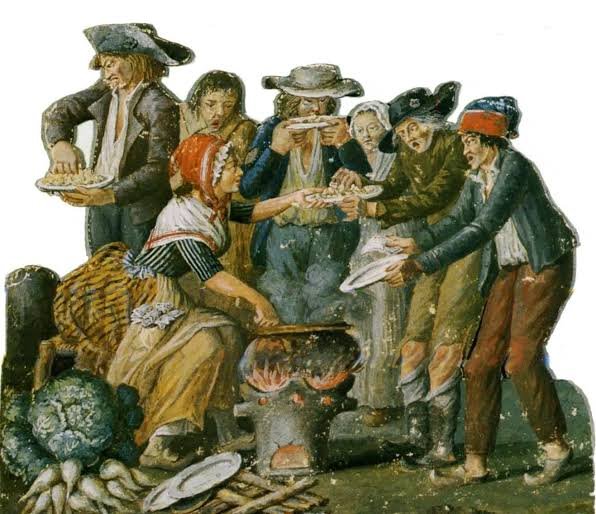
Painting depicting the drastic food shortages during the French Revolution.
If the early Spaniards were skeptical of the potato, the French took their distrust a step further. They didn’t simply eye the unfamiliar crop with suspicion. They went so far as to ban its cultivation.
The French were principally concerned with the look of potatoes and what this could mean if consumed. They could be lumpy, which some interpreted to mean that eating them could lead to leprosy or another deadly disease. It didn’t help that the early varieties of potato that came to France were bitter and tough, leading many to think it was a food best left for livestock to consume, certainly not humans.
But once again, the value of the potato proved itself, only this time to one man in particular: Antoine-Augustin Parmentier. Parmentier became a prisoner of war during the 7 Years’ War, enduring several years in a Polish prison. During his stay, one of the few foods available to him was the potato. Having consumed them ad nauseum, he gradually realized that potatoes weren’t only edible; they were actually quite nutritious and could fend off starvation.
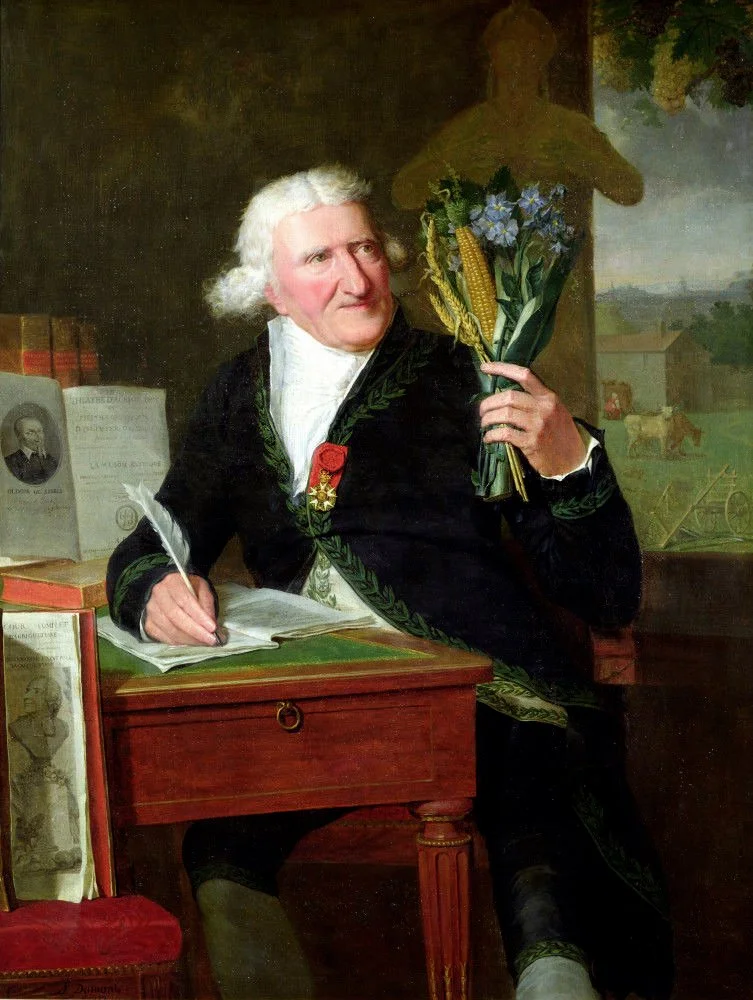
Painting of Parmentier holding up corn and potato blossoms.
Parmentier eventually returned to France and began heavily promoting the potato as an edible food. He made his case to the Paris Faculty of Medicine, which officially declared potatoes safe to eat in 1772. This gave Parmentier an important victory in his campaign to change public opinion, one he hoped the general French population would champion. The need for a reliable, inexpensive crop was increasingly urgent. France had been experiencing repeated food shortages and famines.
But convincing the French people themselves would prove considerably more difficult. Despite Parmentier’s efforts, those of the Paris Faculty of Medicine, and possibly even royalty (it is said that Marie Antoinette decorated her hair with the potato flower), the general population still wasn’t convinced.
It wasn’t until the years surrounding the French Revolution, when food shortages had become severe, that the potato finally gained acceptance. Faced with hunger and a crop that could grow relatively easily, more French people finally began giving the potato a chance, leading to widespread acceptance.
Much like the rest of Europe, it didn't take long for the French to discover that the strange, lumpy plant they'd so distrusted could actually be quite delicious. As soon as potatoes became popular, they became heavily featured in French cuisine. In 1794, Madame Mérigot published La Cuisinière Républicaine, a cookbook devoted entirely to potatoes and one of the earliest French cookbooks written by a woman. French cuisine would go on to develop no shortage of rich, elaborate potato dishes, including gratin dauphinois, pommes Anna, fondant potatoes, and tartiflette.
The French potato story is another example of a pattern that had already begun to emerge across Europe. The potato didn't win people over because they immediately loved it. It won them over because, eventually, they realized it could feed them. And once they figured out how to make it taste good, there was little reason to turn back.
Germany: the Potato joins the Bread Basket
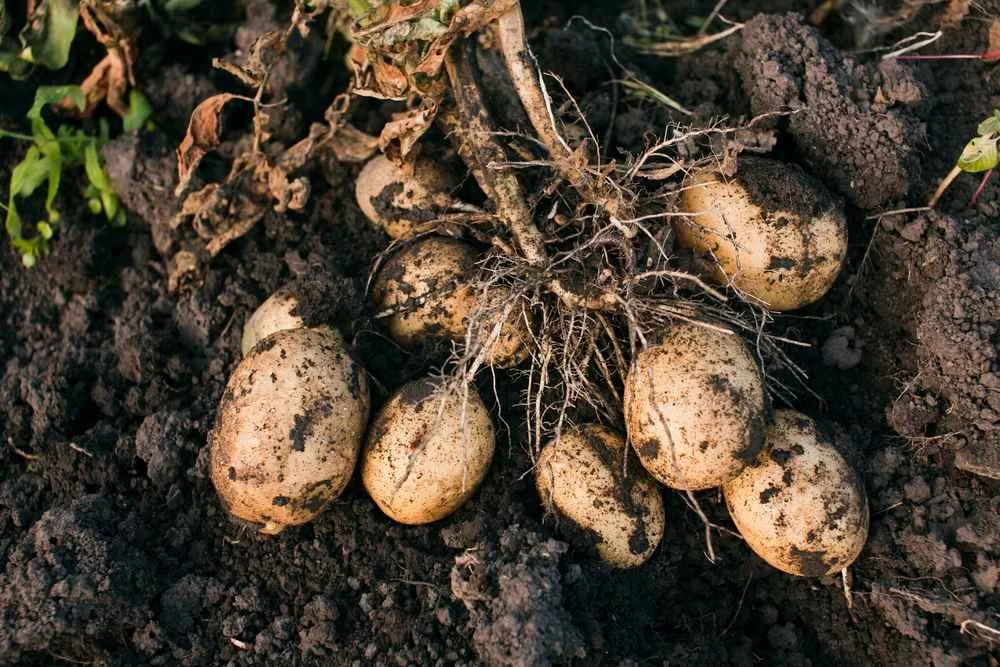
When thinking about German cuisines, potatoes almost naturally come to mind. Such is the love and wealth of potato dishes in Germany today.
But much like elsewhere in Europe, the arrival of the potato in the 1600s wasn’t necessarily welcome. Like the Spanish and French, the German peoples took issue with the plant being of the nightshade family. The earliest varieties of potato were also rather flavorless, seen only as something with which to feed livestock, if that.
The Germans were also proud bakers. Bread was what they were known for, and what they considered culturally important. Grains like rye, wheat, and einkorn were beloved, and the German people were loath to have anything replace them in importance.
But, as happened elsewhere, the potato would prove to be a valuable crop to have, particularly in the 18th century when warfare led to crop failures and food shortages. During the Seven Years’ War especially (1756–1763), German farmers began to see the value in growing underground crops like potatoes. Unlike grain growing above ground, potatoes could be more difficult for passing soldiers to destroy or seize, and they could survive the trampling that might ruin other crops.
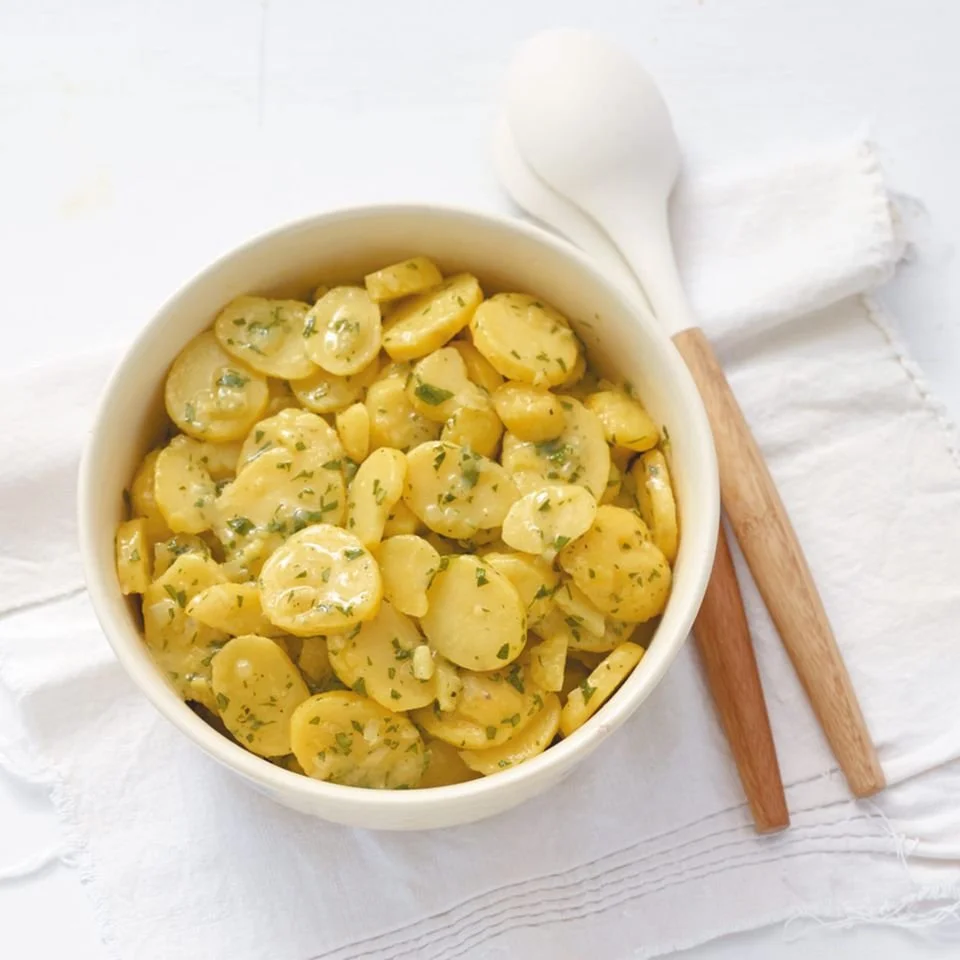
As food shortages and famine continued to affect parts of the German states even after the war, the potato became increasingly valuable. By the 19th century, it had become a dietary staple and had made its way into some of Germany’s most beloved dishes. Kartoffelsalat, or potato salad, is a classic German dish, while potato pancakes became enormously popular as Kartoffelpuffer. And, of course, who can forget the humble potato dumpling?
From Kartoffelklöße to other regional varieties, potatoes eventually became just as much a part of German cooking as the breads and grains they once threatened to replace. Most fortunately for us, the potato didn’t replace Germany’s beloved bread culture at all. It simply found its own place alongside it.
Ireland: from Staple to Catastrophe
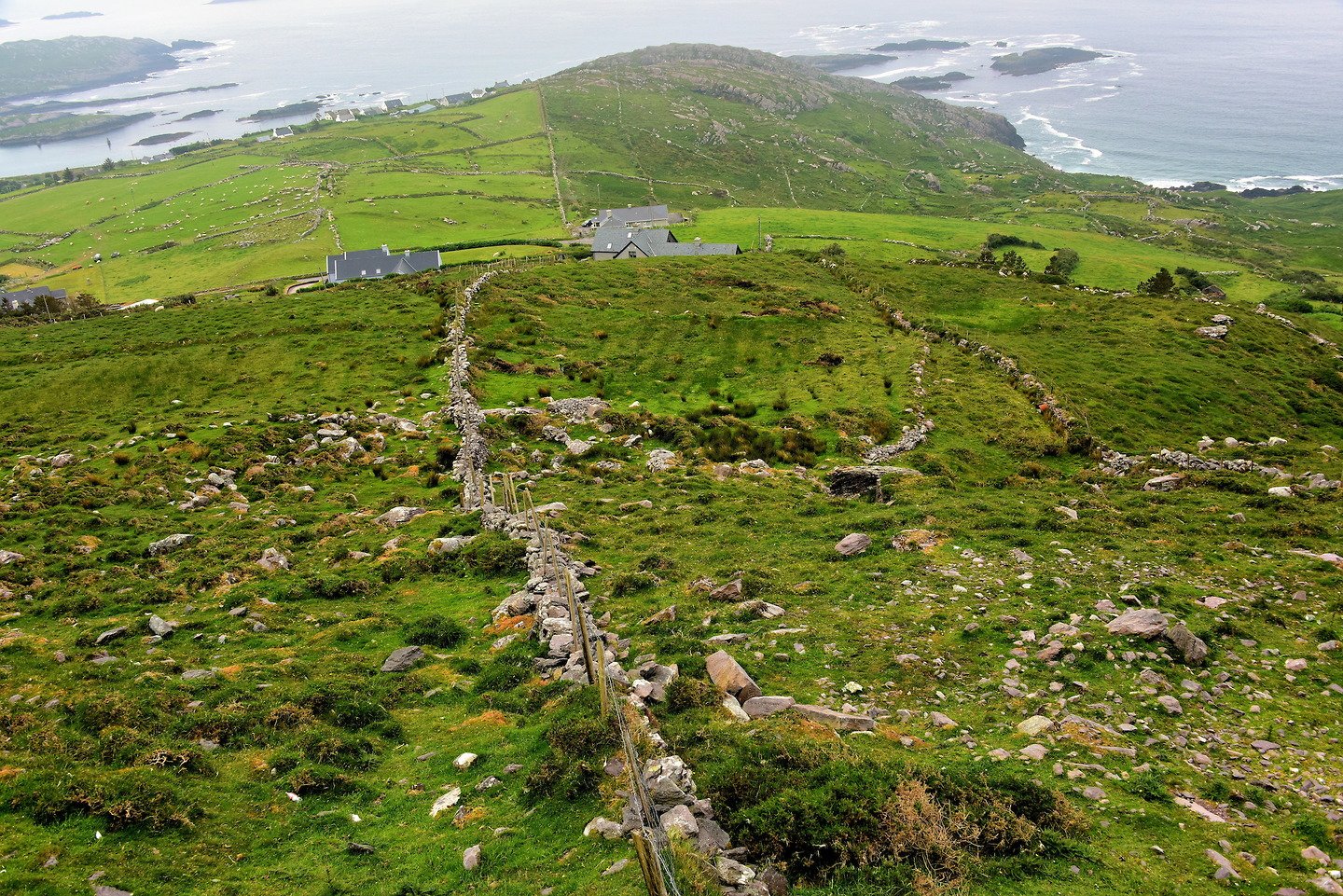
Irish rocky terrain
Unlike the histories of the potato’s arrival in continental Europe, the Irish people largely embraced the potato. Originally grown as a supplement rather than a main crop, by the mid-eighteenth century, the potato had become an increasingly crucial part of the Irish diet.
Part of what made the potato so valuable was how well it grew in cold, damp, rocky regions with poor quality soil, which described a heavy portion of Ireland’s terrain. It produced a substantial amount of food on even small plots of land. Compared with grain, potatoes could support far more people per acre, making them an ideal crop for families with very little land. This helped provide a relatively stable source of calories and contributed to Ireland’s enormous population growth, from roughly 3 million people in 1700 to more than 8 million by 1841.
But this was also the problem with the potato in Ireland. They loved the potato almost too much. The problem wasn't simply that the Irish ate a lot of potatoes; it was that millions of people, particularly poor rural families, had come to depend on the potato as their primary source of calories while having few means or economic ability to replace it with other foods.
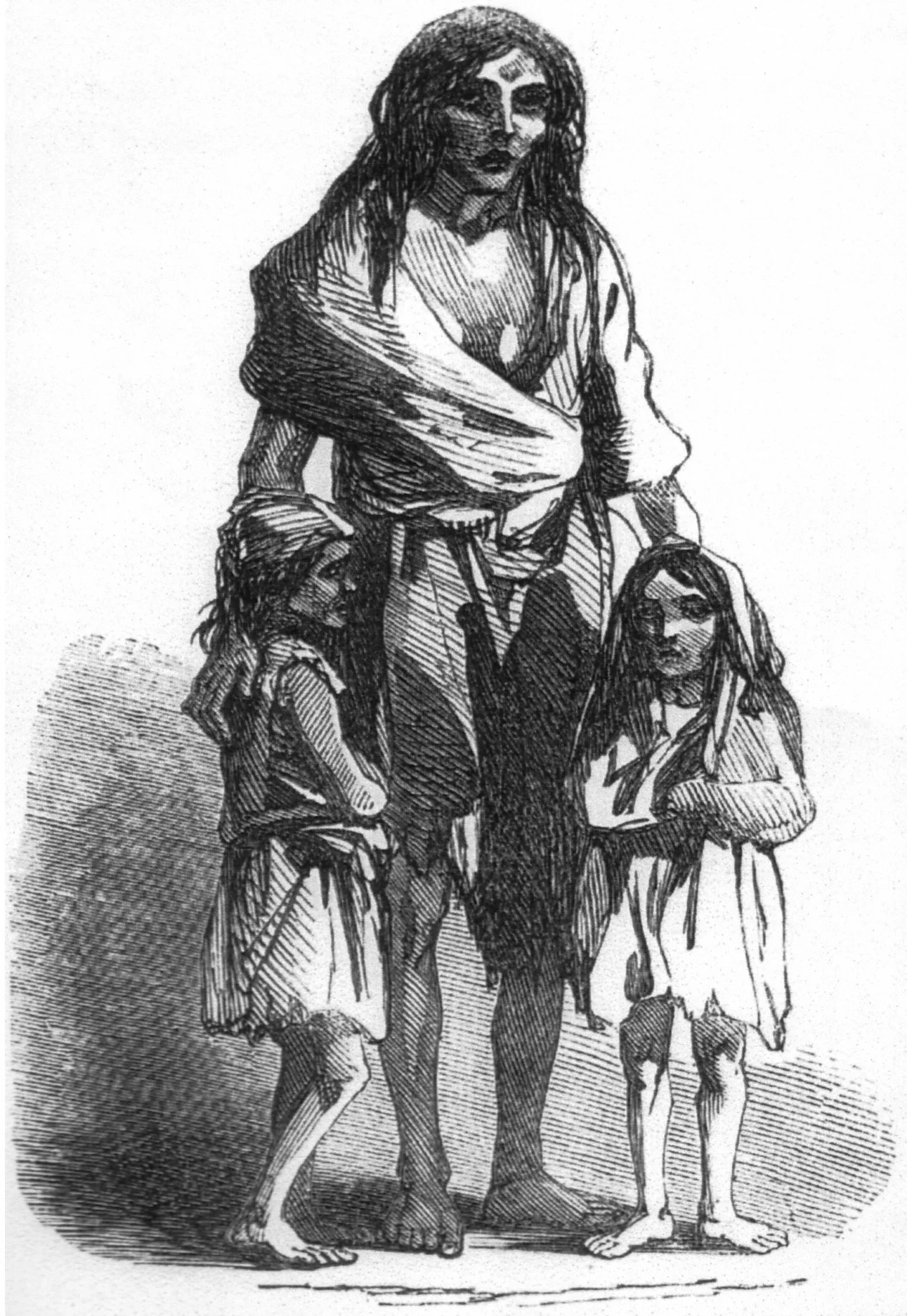
When a devastating potato blight, caused by the pathogen Phytophthora infestans, reached Ireland in 1845, it destroyed much of the country’s potato crop. And it didn't happen just once. The crop failed repeatedly over the following several years, leading to what became known as the Great Famine.
It is almost impossible to overstate the potato famine’s effects on Irish society. More than 1 million people died from starvation, disease, and the effects of malnutrition during the crisis. In the following decade, over 2 million fled Ireland, creating Irish communities in America, Canada, Australia, and elsewhere. Meanwhile, substantial quantities of food continued to leave Ireland, while British government policy largely favored allowing food markets to operate rather than restricting exports. These policies intensified existing demands for Irish political independence.
Finally, because the Famine hit many of the rural western and southern regions where Irish Gaelic was still widely spoken particularly hard, the resulting deaths, evictions, and emigration also accelerated the decline of the Irish language and aspects of traditional Irish culture.
Though potatoes are certainly still an important crop in Irish cuisine today, the havoc of the Potato Famine can still be felt, even a century and a half later.
Norway: a crop for hard times

The potato didn’t reach Norway until the mid-1700s. Much like how the Spaniards and other central Europeans first saw the potato a century or so earlier, Norwegians met the foreign plant with deep suspicion. Some used it primarily as animal feed, while others repeated the same fears that had circulated elsewhere in Europe, that eating potatoes could cause illness or even diseases such as leprosy.
What changed this attitude was widespread famine in the 18th century. Grain was difficult to grow reliably in much of Norway, and periods of poor harvests could be devastating. The situation became particularly severe during the Napoleonic Wars, when blockades disrupted Norway’s access to imported grain and contributed to widespread food shortages. Potatoes, meanwhile, were particularly well suited to the cold Norwegian climate, producing substantial yields. It was during these difficult years that the potato became an important way to supplement, and sometimes even replace, grain.
Local clergymen took the lead in advocating for the potato as a means of fending off starvation. Hans Nielsen Hauge became known as the ‘potato priest’ for how much he praised the potato in his sermons and advocated for people to begin growing it.
Once Norwegian people began growing and eating potatoes, attitudes toward the crop changed dramatically. Potatoes were inexpensive, nutritious, and remarkably well suited to the Norwegian climate. Their vitamin C content also made them useful in helping prevent scurvy, something especially relevant in a country with a long seafaring tradition.
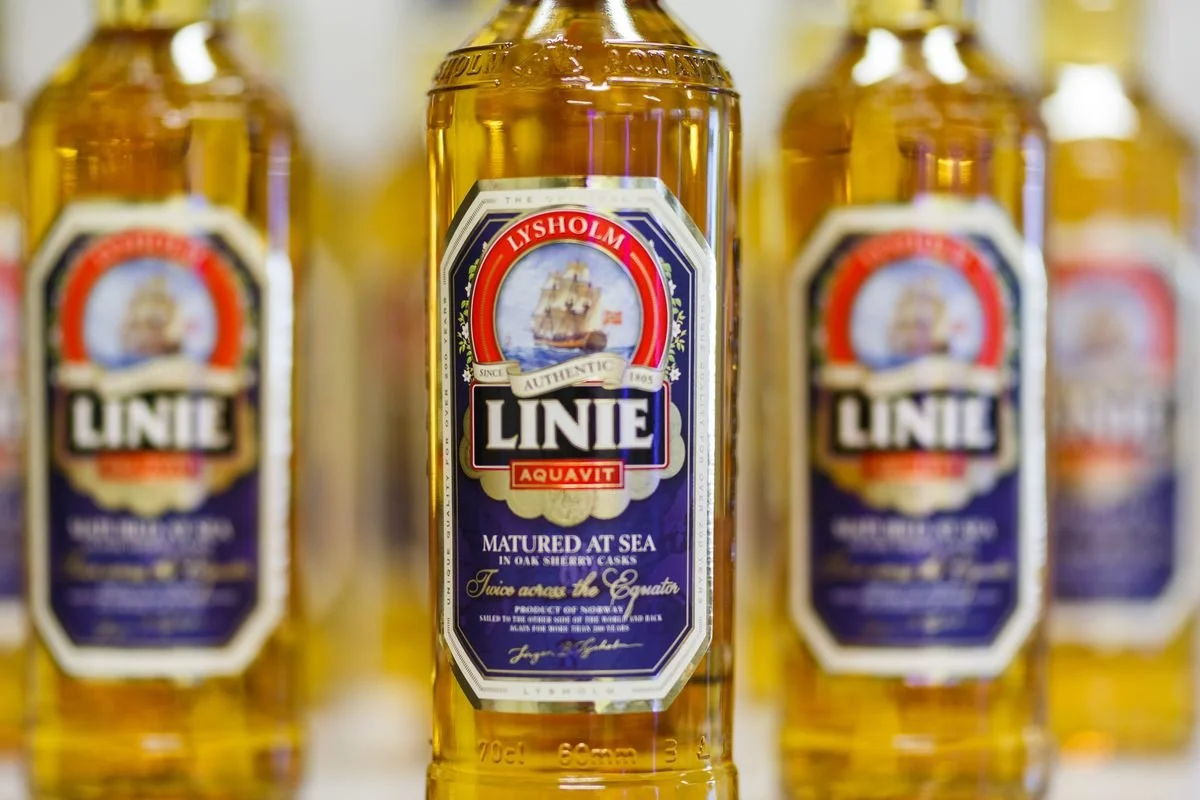
The potato eventually worked its way into Norwegian food culture, too. Potatoes became the primary base for Norwegian aquavit, while cooked potatoes were incorporated into several traditional forms of lefse and other flatbreads. Potato lefse and potato lompe became enduring parts of Norwegian cuisine, and potatoes also became essential to dishes such as raspeballer, a traditional potato dumpling.
In Norway, then, the potato followed a pattern that would appear elsewhere in Europe: suspicion gradually gave way to practicality and eventually an enduring love still seen today.
The impact of a single crop
Would the potato ever have made its way across Europe if it hadn’t proven itself so worthwhile? Much of Europe initially met the plant with suspicion, embracing it only gradually only when poverty, war, and famine made a reliable source of food increasingly necessary. Time and again, the potato’s ability to produce substantial yields in cold climates and relatively poor soil allowed it to become an important crop at precisely the moments when people needed it most. But would it have taken hold so firmly if persistent warfare and the famines that followed had never occurred?
Of course, not everyone was so hesitant. The Irish embraced the potato remarkably quickly, eventually coming to rely on it as a staple of their diet. And yet, that dependence came at an enormous cost. When blight devastated the potato crop, the consequences reached far beyond hunger, reshaping Ireland’s population, culture, and relationship with Britain for generations.
One thing is certain: Europe would have looked very different if the potato had never arrived. So much of history is told through wars, shifting borders, political movements, and national pride. Far less attention is given to the quiet influence of a single crop. Yet the potato changed the course of European history in its own subtle, but no less important way.
Today, it is easy to forget just how consequential this plant became. We peel them for dinner, mash them with butter, roast them in the oven, turn them into fries, and barely give a thought to where they came from. But every potato carries a much bigger story: one of Indigenous agricultural knowledge, transatlantic exchange, European skepticism, war, poverty, famine, migration, and cultural change. What began as an unfamiliar crop from the Andes eventually became woven into the food and history of an entire continent. Perhaps that is what makes the potato’s journey so fascinating. Not just that it changed what Europeans ate, but that something so ordinary could help change Europe itself.