The many faces of the orange
One of my fondest memories of being in Seville was walking the streets in winter. The weather was cooler than I’d envisioned it being in southern Spain, but the sun was out and I had a leisurely afternoon before my next class. This was something I wasn’t used to: being able to stroll unhurriedly to my next engagement, taking in the sights and sounds of the world around me.
In Seville, there’s much to see: the towering cathedral (the third largest in Europe, in fact), the Guadalquivir river, the narrow alleyways, el Parque de Maria Luisa, and the multitudes of orange trees that line the streets. There were so many of them, you couldn’t miss the scent as you walked by. They contrasted beautifully with the white façade of the buildings, the cobbled roads. And if you were lucky enough, you could maybe pluck one for yourself.
At the time, I didn’t understand that the Seville orange was a sour orange, once called a ‘golden apple’ in Tudor England. They contrasted greatly with the oranges I was used to carrying in my lunch box to school, used more for marmalade or orange liquor. To this day, I still buy myself some Seville orange marmalade as a treat, and to remember my time on the Iberian peninsula.
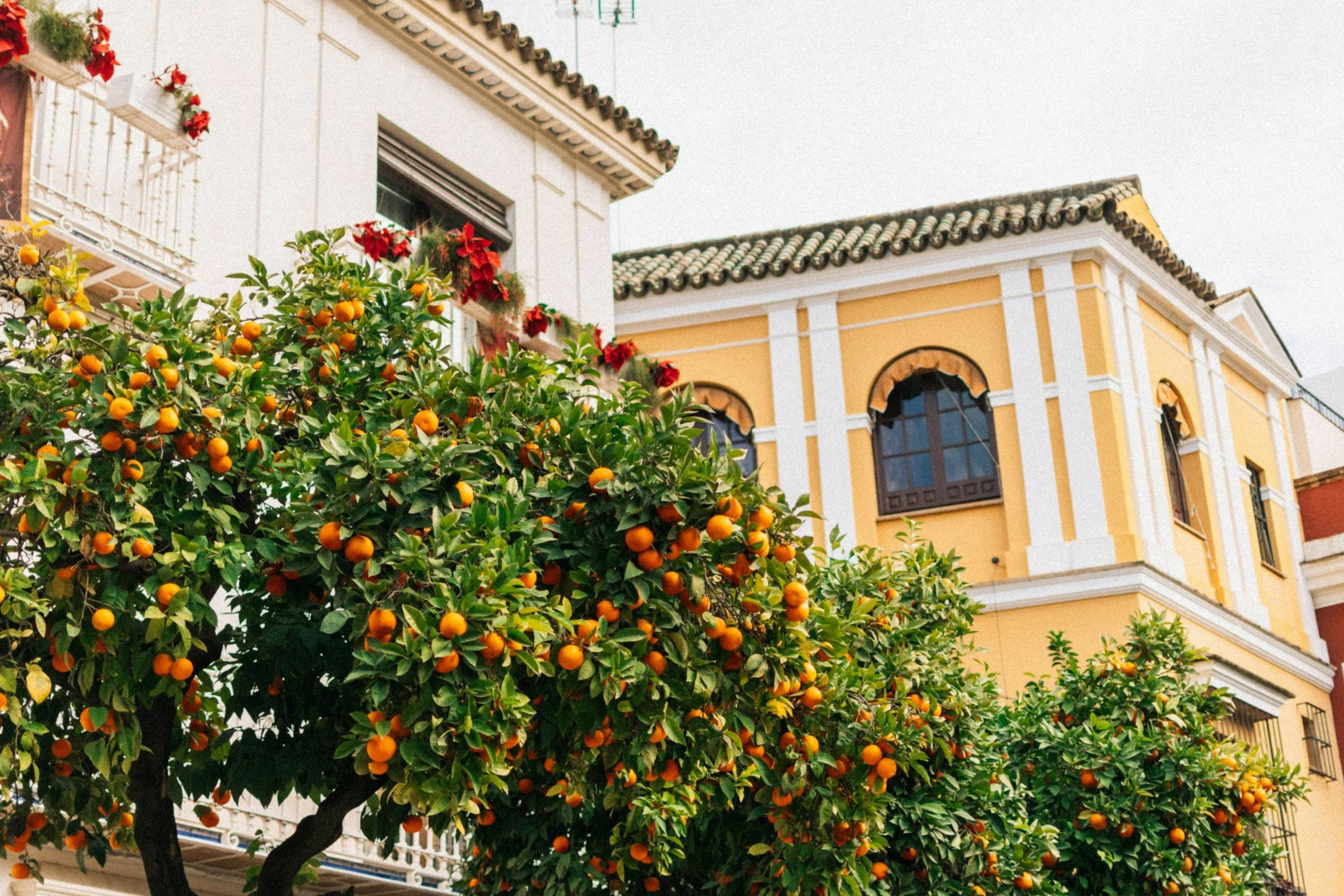
Orange trees in Seville, Spain
Nowadays, I don’t appreciate oranges quite as much as I used to, only because seeing them overpopulate the produce section in my local supermarket signals the start of a long winter where citrus fruits are the only flavorful fruits available for months. And yet, I should be thankful we have fruit at all this time of year.
Indeed, the fact that citrus fruits grow in winter is something of a miracle. Flavorful, packed with vitamins and nutrients, the orange is a fruit well deserving of our praise. Not to mention, there are several varieties of oranges, many of which we don’t appreciate or acknowledge.

The orange has been around for centuries. Our earliest records of the fruit are from 314 AD, though assuredly it had been around long before that. The earliest varieties came from the region of the southeast Himalayas (as do all citrus fruits). This region includes northern Myanmar, the eastern area of Assam in India, and the western Yunnan province in China. Despite enjoying tropical temperatures for growth, the orange tree is actually an evergreen plant (the same class of plants that includes holly, boxwoods, gardenia, azaleas, and blue spruce). This is primarily because evergreens never have a dormant period in the year and retain their leaves.
The history of the orange can also be traced through language. The Sanskrit word for ‘orange’ is nāriṅgaḥ. Sanskrit is of course another of the Indo-European languages of which English is a member (though admittedly a distant cousin). Persian took ‘nāriṅgaḥ’ and made their own ‘narenj’. This became ‘naranj’ in Arabic, then ‘naranjo’ in Spanish, and ‘orenge’ in French. The English ‘orange’ is much more similar to the French version of the word and probably arrived to the island during the Norman conquest of 1066.
Like all plants do, the orange evolved into several different varieties, some of which are more palatable than others. Oranges come in two principal varieties: the sweet orange and the bitter orange. The Moors particularly enjoyed the bitter orange, which they brought using the Silk Road, and planted it widely wherever they went. In the 8th centuries, the bitter orange was already being planted and spread along the Iberian and Italian peninsulas (which accounts for the famous Seville and Sicilian orange marmalade).
The sweet orange didn’t make it to Europe until the 15th century, at which point it became the more popular variety. It is unclear if Italian or Portuguese traders were the ones principally responsible for bringing this new variety to Europe, but it’s sweetness and juiciness was irresistible. It was largely considered a luxury fruit, one that the wealthy cultivated in ‘orangeries’ (orange growing conservatories).
The Spanish adored the orange in all its varieties, but it was the sweet orange that first made it to the New World. Indeed, Christopher Columbus himself made it a point to plant orange trees on his expeditions.
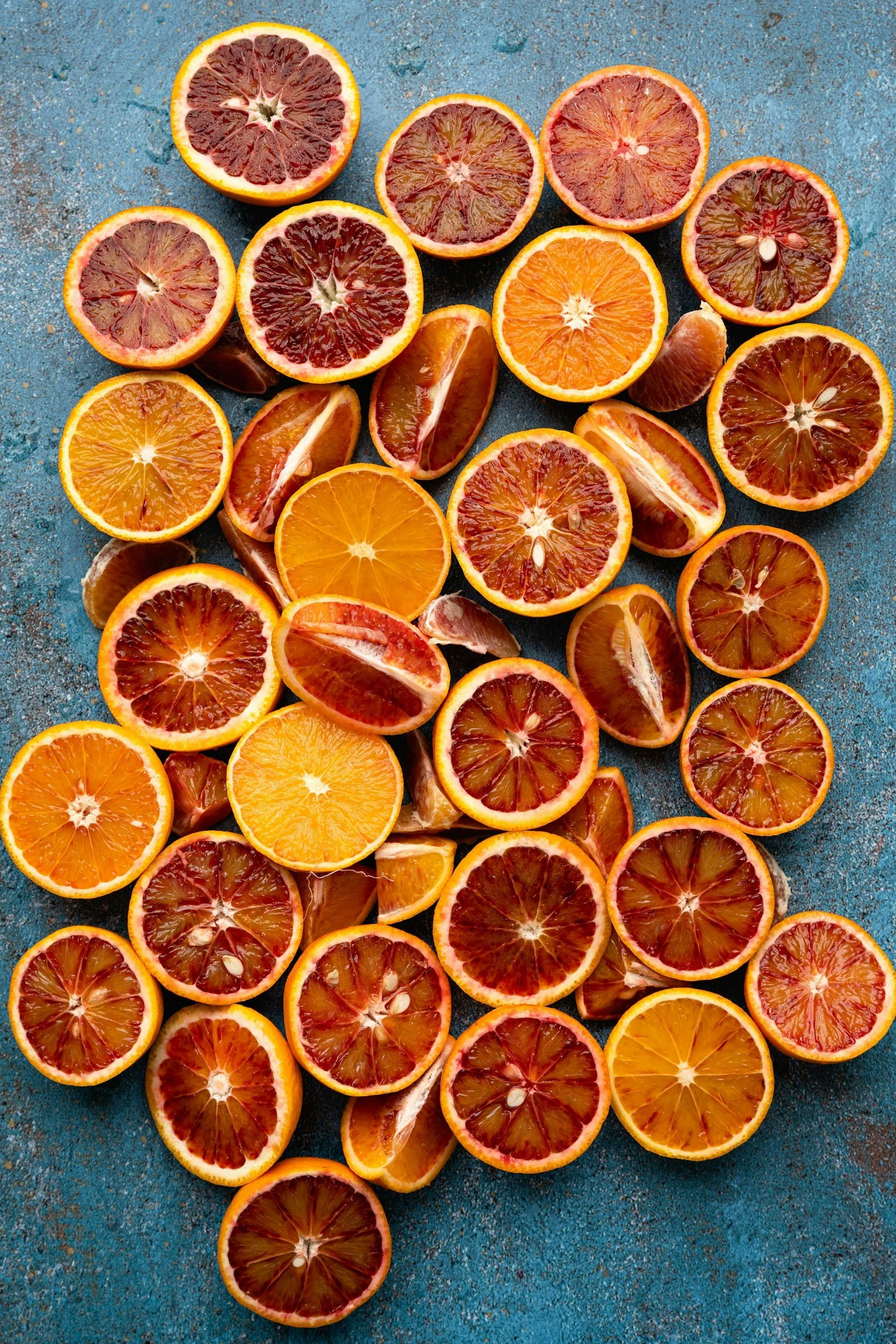
In our age, there are over 400 varieties of oranges. The sweet orange is the most popular variety. In the United States, navel oranges (also known as Valencia oranges) reign supreme among those found in our supermarkets. In fact, most orange juice comes from navel oranges. They’re popular for their juiciness and because they are seedless and easy to consume.
But these aren’t the only oranges available to us. Blood oranges (famous for their distinctive bright red flesh), tangerines, mandarins, Seville oranges, clementines, trifoliatas, and Sumo oranges are only a few of the several popular varieties. There are so many, if one isn’t to your liking, there’s surely several dozen more that would suit you.
The world’s production of oranges doesn’t seem to be slowing down. In 2021–2022, the amount of oranges produced in the world was about 51.41 million metric tons. Over 30% of these are grown in Brazil. In the U.S., roughly 70% of orange production is in Florida, where the orange trees enjoy tropical temperatures.

Part of the orange’s popularity is because of the it’s medicinal properties. The nutritional value of citrus fruits has long been known, even in the middle ages. And yet, despite the wide array of other medicines and fruits available to us, the orange has still reigned supreme as one of the best super foods.
Oranges are famously high in Vitamin C (consuming one orange accounts for 70–100% of our daily needed intake), that all-encompassing vitamin that prevents cell damage, boosts our immune systems, forms cartilage and collagen in our bones, and fights against inflammation. Vitamin C can also improve our absorption of iron, helping to fight against anemia, and lowers our blood pressure and cortisol.
Less well known perhaps, oranges are also high in fiber, calcium, folic acid, potassium, and citric acid. If an apple a day can keep the doctor away, an orange everyday could easily improve our health ten-fold. What’s more, the delicious and juicy qualities of the orange make it pleasing to consume.
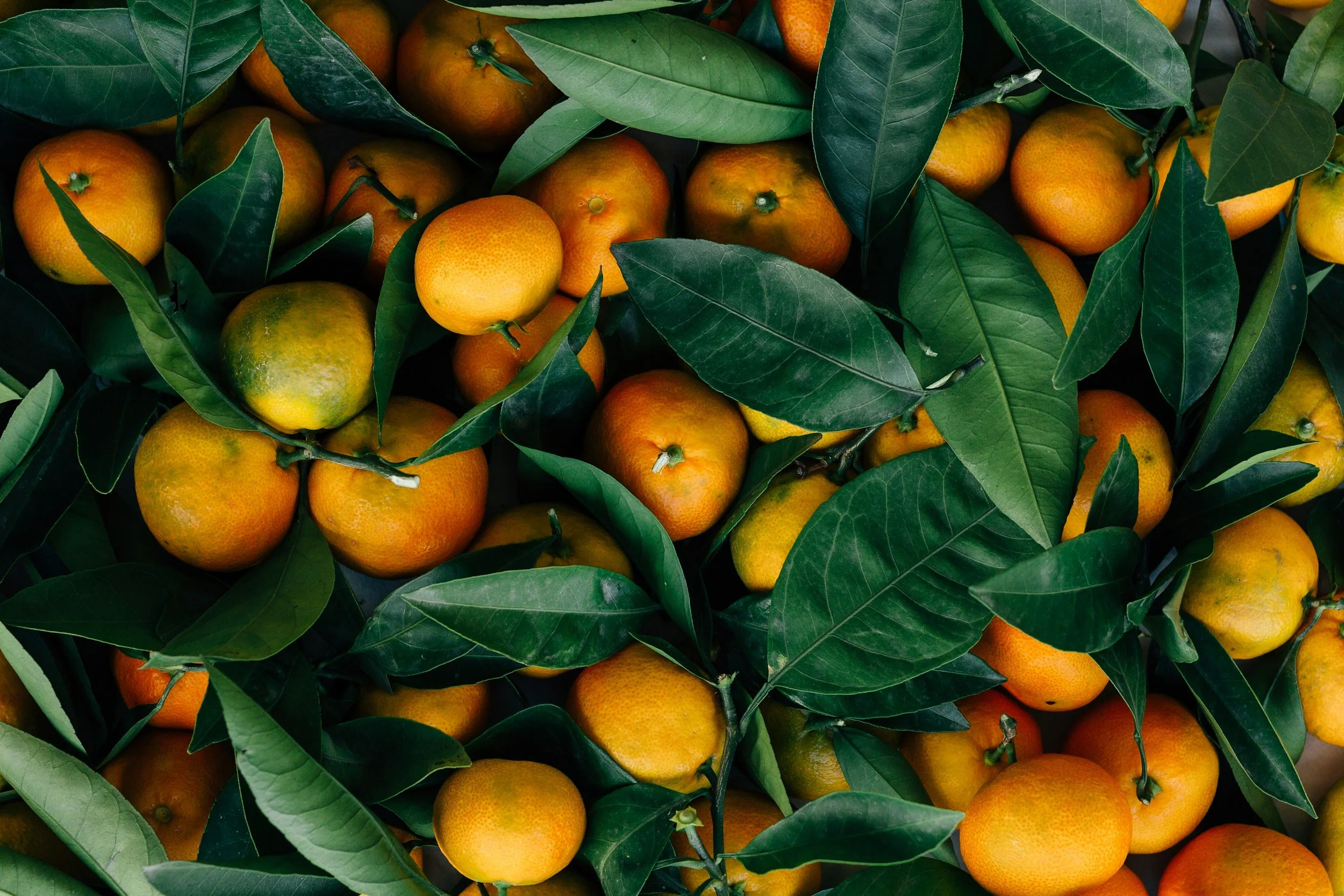
It’s no wonder then that the orange has maintained its status as one of the world’s most popular fruits. And whether in juice form, in orange-flavored chocolate, as a cake, or in its pure fruit form, the fruit has proved to be one of the world’s most delectable of plants.
And lest you tire of seeing it in your grocery store around winter time, remember that for centuries the orange was hailed as one of the winter’s brighteners, and that when it comes to daily magic medicines, few fruits offer more.