Olive Bread
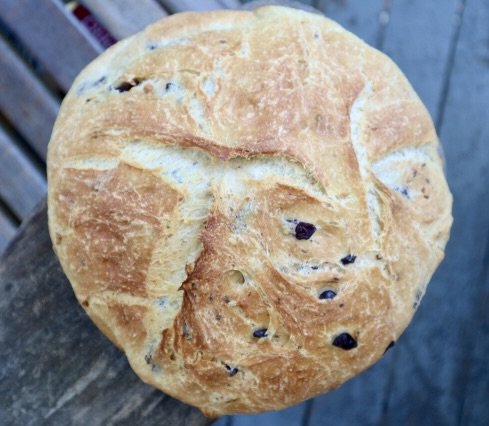
Though this looks like an artisan bread, it’s actually simple to make. Olives, garlic, and red pepper flakes create an irresistible Mediterranean flavor that’s perfect with any number of dishes.
Based adapted from ATK’s ‘Spicy Olive Bread’ from the book Bread Illustrated
Tips and Tricks
What kind of olives?
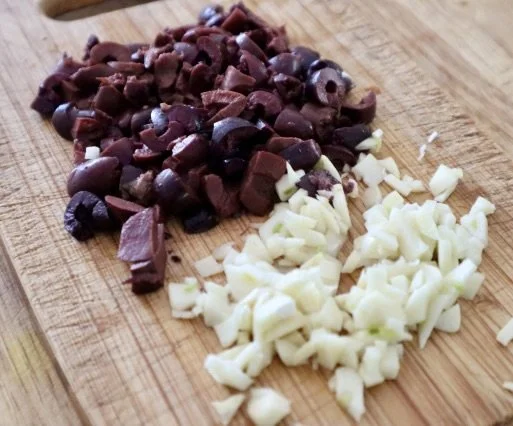
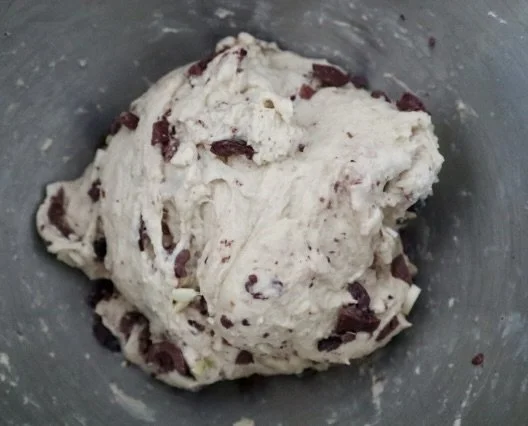
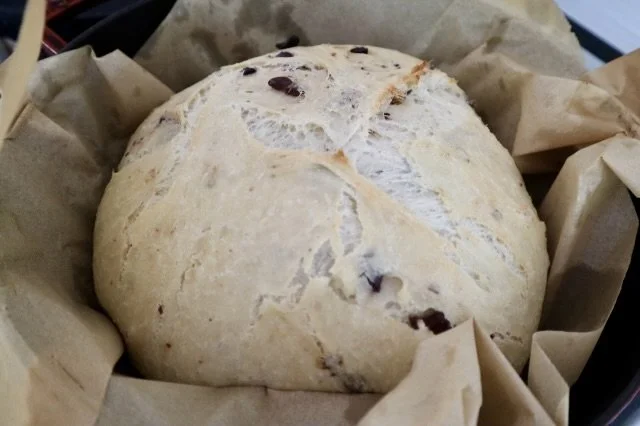
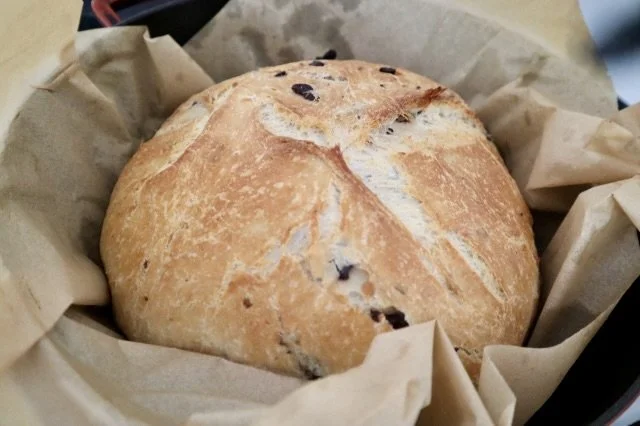
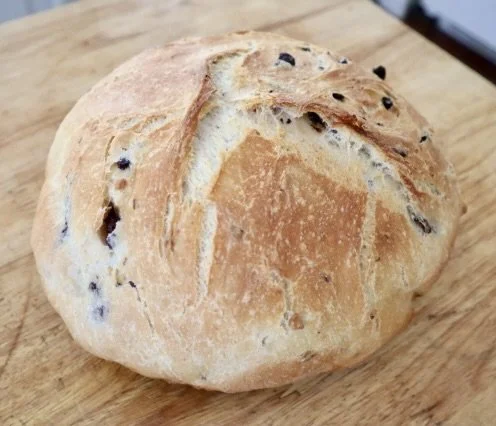
You can use any olives you have already. The pictures here show kalamata olives, which are one of my favorites. But this recipe is great if you have any leftover olives lying around that need to be used.
What if my dough doesn’t rise?
This bread is heavy because of the addition of olives and garlic. For that reason, the first rise time is longer than an hour.
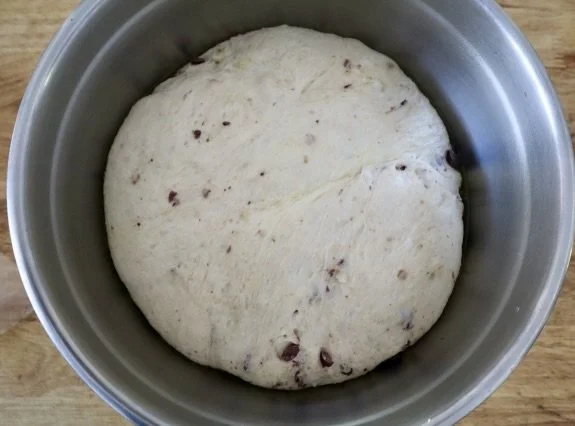
It may be the case that it doesn’t fully rise to double it’s size. That’s ok. So long as the dough feels fluffy and not dense, it’s usable and should still bake well.
What if I don’t have a dutch oven?
The Dutch oven is important in this recipe because it gives the bread it’s nice, crispy crust. If you don’t have one, you can use a baking stone and cover the bread with another heat proof metal bowl.
You can also use another oven-safe pot or roasting pan that has a lid.
Ingredients:
(Makes 1 loaf)
1 cup pitted olives, chopped (*see Tips and Tricks)
2 tbsp garlic, minced (about 3 - 4 cloves)
3 cups bread flour (or all-purpose), plus more for kneading
2 ½ tsp active dry yeast
2 tsp kosher salt
1 tbsp red pepper flakes
1 1/3 cups warm water
2 tbsp pure cane sugar
1 tbsp extra-virgin olive oil
Directions:
First chop your olives and garlic and set aside.
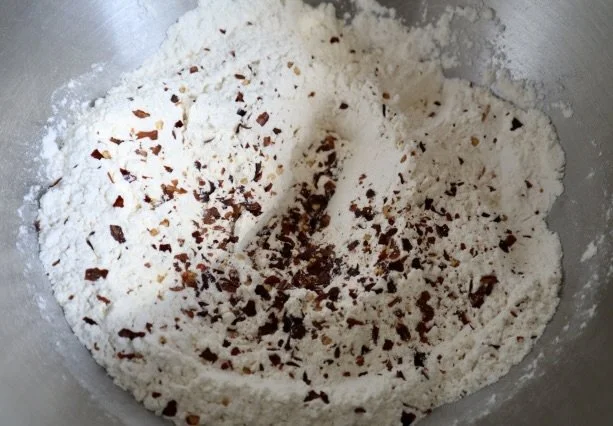
In the bowl of a stand mixer, mix your flour, yeast, salt, and red pepper flakes.
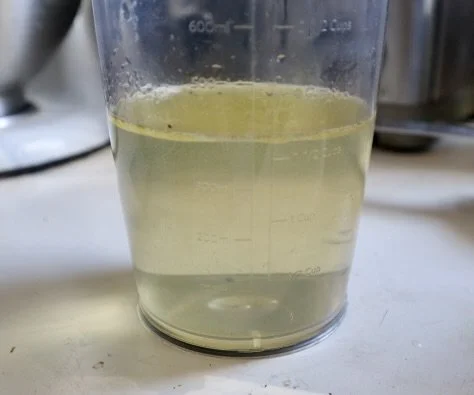
In a separate small bowl, mix together the water, sugar, and olive oil. Stir with a spoon until the sugar is fully dissolved.
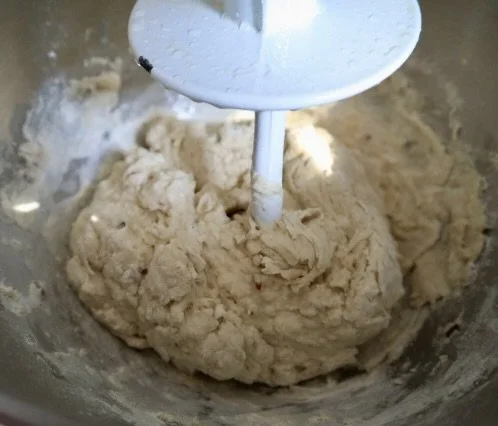
Using a dough hook, turn the mixer on to low speed and slowly add the liquid mixture to your dry ingredients. Watch carefully here. If the dough is too wet, add a tbsp more of flour. If it’s too dry, add 1 tbsp of warm water. (It’s important you do this tablespoon by tablespoon so as not to add too much at a time). Turn the mixer on to medium-low and let it knead until the dough comes together and no flour remains (about 3 - 4 minutes).
Now take your olive and garlic and slowly add this to the dough ¼ cup at a time. Wait until the first batch is fully incorporated into the dough before adding the next one.
Take out of the stand mixer and place the dough on a lightly floured surface. Lightly knead for a minute or so, just to make the dough round and to be sure it’s fully ready for rising. Place in an olive oil-greased bowl and cover with plastic wrap or a damp tea-towel to rise for an hour and a half to two hours.
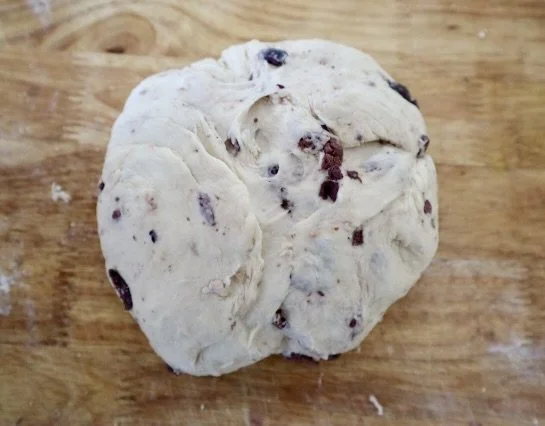
After your dough has risen, take out of the bowl and punch down onto a lightly-floured board. Knead a couple of times just for shaping purposes.
Take a piece of parchment paper and lightly grease it with some olive oil. Place the dough on top of the parchment, then carefully place the parchment and dough into a Dutch oven (or whatever kitchenware you’re using to bake your bread). **You can also lightly flour your Dutch oven here to prevent the dough from sticking.
Cover and let rise for about 30 minutes to an hour, until the dough rises a bit more and springs back when you lightly poke it with your finger.
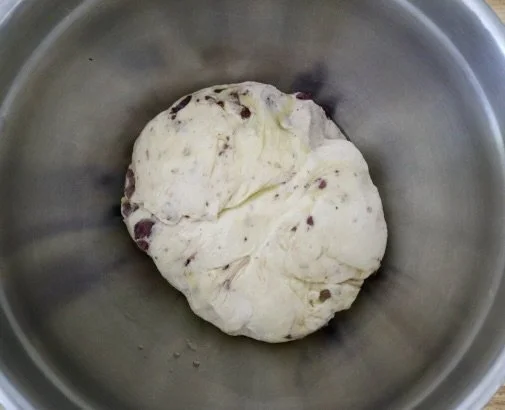
In the meantime, preheat the oven to 450 degrees Fahrenheit.
When the dough is ready, cover the Dutch oven, place in the oven and bake for 30 minutes.
After the 30 minutes is up, reduce the oven to 375 degrees Fahrenheit, remove the lid, and let the bread bake for another 15 - 20 minutes, or until the crust is a nice deep golden brown.
Take out of the oven, removing the bread by using the parchment paper to take it out of the pot, and let cool.
Serve and enjoy!

Olive Bread
Though this looks like an artisan bread, it’s actually simple to make. Olives, garlic, and red pepper flakes create an irresistible Mediterranean flavor that’s perfect with any number of dishes.
Based adapted from ATK’s ‘Spicy Olive Bread’ from the book Bread Illustrated
Ingredients
- 1 cup pitted olives, chopped
- 2 tbsp garlic, minced (about 3 - 4 cloves)
- 3 cups bread flour (or all-purpose), plus more for kneading
- 2 ½ tsp active dry yeast
- 2 tsp kosher salt
- 1 tbsp red pepper flakes
- 1 1/3 cups warm water
- 2 tbsp pure cane sugar
- 1 tbsp extra-virgin olive oil
Instructions
- First chop your olives and garlic and set aside.
- In the bowl of a stand mixer, mix your flour, yeast, salt, and red pepper flakes.
- In a separate small bowl, mix together the water, sugar, and olive oil. Stir with a spoon until the sugar is fully dissolved.
- Using a dough hook, turn the mixer on to low speed and slowly add the liquid mixture to your dry ingredients. Watch carefully here. If the dough is too wet, add a tbsp more of flour. If it’s too dry, add 1 tbsp of warm water. (It’s important you do this tablespoon by tablespoon so as not to add too much at a time). Turn the mixer on to medium-low and let it knead until the dough comes together and no flour remains (about 3 - 4 minutes).
- Now take your olive and garlic and slowly add this to the dough ¼ cup at a time. Wait until the first batch is fully incorporated into the dough before adding the next one.
- Take out of the stand mixer and place the dough on a lightly floured surface. Lightly knead for a minute or so, just to make the dough round and to be sure it’s fully ready for rising. Place in an olive oil-greased bowl and cover with plastic wrap or a damp tea-towel to rise for an hour and a half to two hours.
- After your dough has risen, take out of the bowl and punch down onto a lightly-floured board. Knead a couple of times just for shaping purposes.
- Take a piece of parchment paper and lightly grease it with some olive oil. Place the dough on top of the parchment, then carefully place the parchment and dough into a Dutch oven (or whatever kitchenware you’re using to bake your bread). **You can also lightly flour your Dutch oven here to prevent the dough from sticking.
- Cover and let rise for about 30 minutes to an hour, until the dough rises a bit more and springs back when you lightly poke it with your finger.
- In the meantime, preheat the oven to 450 degrees Fahrenheit.
- When the dough is ready, cover the Dutch oven, place in the oven and bake for 30 minutes.
- After the 30 minutes is up, reduce the oven to 375 degrees Fahrenheit, remove the lid, and let the bread bake for another 15 - 20 minutes, or until the crust is a nice deep golden brown.
- Take out of the oven, removing the bread by using the parchment paper to take it out of the pot, and let cool.
- Serve and enjoy!
Notes
- You can use any olives you have already. The pictures here show kalamata olives, which are one of my favorites. But this recipe is great if you have any leftover olives lying around that need to be used.
- This bread is heavy because of the addition of olives and garlic. For that reason, the first rise time is longer than an hour. It may be the case that it doesn’t fully rise to double it’s size. That’s ok. So long as the dough feels fluffy and not dense, it’s usable and should still bake well.
- The Dutch oven is important in this recipe because it gives the bread it’s nice, crispy crust. If you don’t have one, you can use a baking stone and cover the bread with another heat proof metal bowl. You can also use another oven-safe pot or roasting pan that has a lid.